
Hey there! As a supplier of the Smart Vertical Warehouse System, I've seen firsthand how this tech marvel revolutionizes the supply chain. In this blog, I'll break down how our Smart Vertical Warehouse System communicates with other parts of the supply chain, making the whole process smoother and more efficient.
The Basics of Supply Chain Communication
Before we dive into the nitty - gritty, let's understand the big picture. A supply chain is like a well - oiled machine, with each part working in harmony. From procurement to production, storage, and distribution, every step needs to be coordinated. Communication in the supply chain is all about sharing information in real - time to avoid delays and optimize operations.
Our Smart Vertical Warehouse System is the heart of many modern supply chains. It's not just a place to store stuff; it's a high - tech hub that can talk to other elements of the supply chain.
Communicating with Procurement
Procurement is the starting point of the supply chain. It's all about getting the right materials at the right time. Our Smart Vertical Warehouse System can communicate with procurement in several ways.
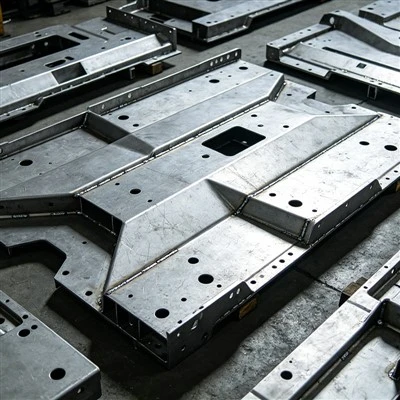
First off, it can send real - time inventory data. When the stock of a certain item drops below a pre - set level, the system automatically notifies the procurement team. This way, they can place orders in a timely manner. For example, if we're dealing with a manufacturing company that uses a lot of raw sheet metals, the system will keep track of how much is left in the warehouse. Once it reaches a critical level, an alert is sent to the procurement department, who can then order more from the suppliers.
Secondly, it can integrate with procurement software. This allows for seamless data transfer. When a new order is placed in the procurement system, the Smart Vertical Warehouse System can update its records to anticipate the incoming stock. This helps in planning the available storage space and ensures that there's room for the new materials.
Linking with Production
Production is where the magic happens. Our Smart Vertical Warehouse System has a close relationship with production facilities.

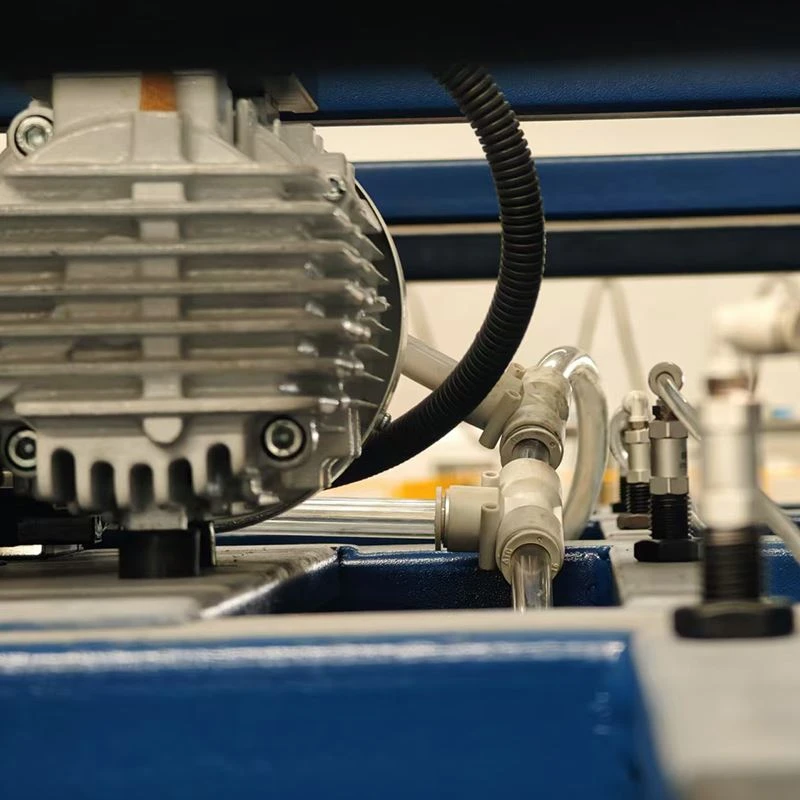
One of the key ways it communicates is through work order management. When a production work order is created, the system knows exactly which materials are needed. It then retrieves these materials and prepares them for delivery to the production line. For instance, if an Intelligent CNC Drill and Tap Machine needs specific types of metal sheets for a particular job, the warehouse system will locate the sheets, pick them, and send them to the machine.
The system also provides production teams with information about the availability of materials. If a certain material is running low or is out of stock, production can adjust its schedule accordingly. This way, there are no unexpected halts in the production process.
Another aspect is quality control feedback. If a batch of materials from the warehouse is found to be of sub - standard quality during production, the system can be updated. This information can then be used to improve future procurement decisions and also to flag the remaining stock of the same material for further inspection.
Interaction with Distribution
Distribution is the final step in getting products to the customers. Our Smart Vertical Warehouse System plays a crucial role here too.
It communicates with shipping and logistics partners. The system can generate shipping labels, packing lists, and other necessary documents. It also provides information about the weight, dimensions, and quantity of the products being shipped. This helps the logistics partners to plan the most efficient transportation routes and choose the right carriers.
When it comes to order fulfillment, the system ensures that the right products are picked and packed. It can integrate with order management systems, so it knows exactly which orders need to be processed. For example, if a customer places an order online, the system can quickly locate the products in the warehouse, pick them, and prepare them for shipping.
The system can also track the movement of products during distribution. It can send real - time updates to customers about the status of their orders, like when the order has been shipped, its estimated arrival time, etc.
Communication with Other Equipment
In a modern manufacturing environment, our Smart Vertical Warehouse System also needs to communicate with other equipment.
For example, it can work in tandem with an Auto Loading Unloading Machine. When the warehouse system retrieves materials, it can send signals to the auto - loading machine to start the loading process. The two systems can coordinate their actions to ensure a smooth and efficient transfer of materials.
Similarly, it can communicate with conveyor systems, robotic arms, and other automated equipment in the facility. This integration allows for a fully automated and streamlined operation, reducing the need for manual intervention and minimizing errors.
The Role of Software and Connectivity
All this communication is made possible through advanced software and connectivity. Our Smart Vertical Warehouse System uses a combination of Internet of Things (IoT) technology, cloud - based software, and wireless communication protocols.
The IoT sensors installed in the warehouse collect data on inventory levels, temperature, humidity, and other important parameters. This data is then sent to the cloud - based software, which processes it and makes it available to other parts of the supply chain.
The system uses wireless protocols like Wi - Fi, Bluetooth, or ZigBee to communicate with other devices and systems. This ensures a fast and reliable connection, even in large industrial facilities.
The Benefits of Seamless Communication
The seamless communication between our Smart Vertical Warehouse System and other parts of the supply chain brings numerous benefits.
It reduces costs. By optimizing inventory levels, minimizing production delays, and improving transportation efficiency, companies can save a significant amount of money.
It improves customer satisfaction. With accurate order fulfillment and real - time order tracking, customers get their products on time and are more likely to be happy with their purchases.
It enhances productivity. The automated and coordinated operations mean that employees can focus on more value - added tasks, rather than spending time on manual inventory management and material handling.
Wrapping Up and Connecting for Business
In conclusion, our Smart Vertical Warehouse System is a game - changer in the supply chain industry. Its ability to communicate with other parts of the supply chain makes it an essential component for any modern business looking to stay competitive.
If you're interested in learning more about how our Smart Vertical Warehouse System can transform your supply chain operations, I'd love to have a chat. Whether you're a small business or a large corporation, we have solutions that can be tailored to your specific needs. Reach out to us for a detailed discussion on how we can work together to optimize your supply chain.
References
- Supply Chain Management: Strategy, Planning, and Operation by Sunil Chopra and Peter Meindl
- Internet of Things for Smart Manufacturing by Jay Lee, Byung Kyu Bag, and Heejung Kao