
Hey there! I'm a supplier of Mechanical Sheet Metal Parts, and I've been in this game for quite some time. Over these years, I've seen firsthand what it takes for workers to excel in manufacturing these parts. So, let's dive right into what the requirements for the workers' skills in manufacturing mechanical sheet metal parts are.
Basic Drawing and Reading Skills
First off, workers need to have a good grasp of reading and understanding mechanical drawings. This is the foundation of the whole manufacturing process. A mechanical drawing is like a roadmap; it tells you exactly what the final product should look like, including dimensions, tolerances, and surface finishes.
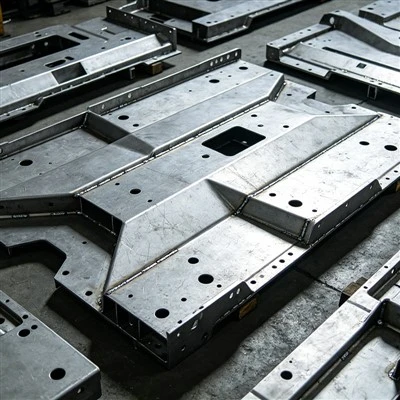
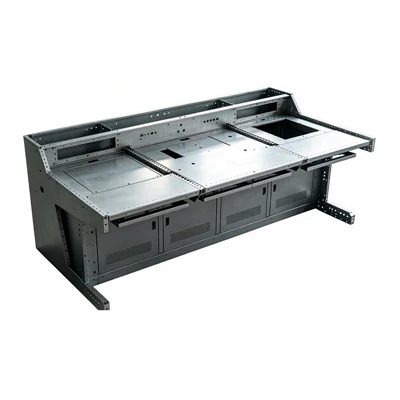
For instance, when we're manufacturing Equipment Sheet Metal Housings, the drawing will specify the exact size of the housing, the shape of the cutouts for the equipment to fit in, and the required quality of the surface finish. Workers need to be able to interpret these details accurately. If they misread a dimension, it could lead to a part that doesn't fit properly, which means wasted time and materials.
To have these skills, workers usually start with some basic training in engineering drawing. They learn about different projection methods, symbols, and how to read scale drawings. Continuous practice is also crucial. They'll work on a variety of projects, gradually getting better at understanding complex drawings.
Material Knowledge
Another key skill is having in - depth knowledge of sheet metal materials. Different projects call for different types of sheet metals, each with its own properties. For example, stainless steel is known for its corrosion resistance, which makes it a great choice for parts that will be exposed to harsh environments. On the other hand, aluminum is lightweight and easy to work with, so it's often used in applications where weight is a concern.
When manufacturing Special - shaped Sheet Metal Parts, workers need to choose the right material based on the requirements of the part. They also need to know how the material will behave during the manufacturing process. Some metals are more prone to cracking or warping during bending, for example. So, understanding the material's ductility, strength, and thermal properties is essential to prevent defects in the final product.
Workers can gain this knowledge through training programs and on - the - job experience. They'll learn about different types of sheet metals, their chemical compositions, and how to select the right one for the job.
Cutting Skills
Cutting is one of the first steps in manufacturing sheet metal parts. Workers have to be proficient in using various cutting tools and techniques. There are different types of cutting methods, such as laser cutting, plasma cutting, and shearing.
Laser cutting is great for precision work. It can create very detailed cuts with high accuracy. This is especially useful when making parts with complex shapes, like Bent Sheet Metal Parts. Plasma cutting, on the other hand, is faster and can cut through thicker metals. Shearing is a simple but effective method for cutting straight lines in sheet metal.
Workers need to know how to set up the cutting equipment properly, adjust the cutting parameters according to the material and the design requirements, and ensure the safety of the cutting process. They also need to be able to troubleshoot any problems that may arise during cutting, such as uneven cuts or tool wear.
Bending and Forming Skills
Bending and forming are where the real artistry comes in. Workers need to be able to bend the sheet metal into the desired shapes accurately. This requires a good understanding of the material's bendability and the use of bending machines.
When working on Mechanical Sheet Metal Frames, for example, precise bending is crucial to ensure that the frame has the right structure and fit. The workers need to know how to calculate the bend allowance, which takes into account the thickness of the material and the bend radius. They also need to operate the bending machine skillfully to achieve the correct angle and shape.


In addition to regular bending, workers may also need to perform other forming operations, such as flanging, stretching, and embossing. Each of these operations requires specific techniques and skills. With practice and experience, workers can master these skills and create high - quality formed parts.
Welding and Joining Skills
Welding and joining are often necessary to assemble different parts of the sheet metal into a complete product. Workers should be proficient in different welding methods, such as MIG (Metal Inert Gas) welding, TIG (Tungsten Inert Gas) welding, and spot welding.
MIG welding is fast and suitable for welding thicker metals. TIG welding, on the other hand, provides a high - quality weld with better control, which is ideal for thin - walled sheet metal parts. Spot welding is used for joining two or more sheets of metal at specific points.
When manufacturing Sheet Metal Equipment Frames, welding is used to connect different frame components. Workers need to ensure that the welds are strong, free of defects like cracks or porosity, and meet the required aesthetic standards. They also need to know how to prepare the surfaces for welding, select the appropriate welding wires and shielding gases, and control the welding parameters.
Quality Control Skills
Quality control is an important part of the manufacturing process. Workers need to be able to inspect the parts they produce to ensure that they meet the required specifications. This involves using measuring tools like calipers, micrometers, and gauges to check dimensions, and visual inspection to detect surface defects.
After bending a part, workers will measure the angles and dimensions to make sure they are within the tolerance range specified in the drawing. They'll also look for any scratches, dents, or other surface imperfections. If a part doesn't meet the quality standards, they need to analyze the problem and take corrective actions.
Problem - Solving Skills
In the real - world manufacturing process, things don't always go as planned. Workers are bound to encounter problems, such as equipment malfunctions, material defects, or unexpected strength issues in the manufacturing process. That's where their problem - solving skills come in.
When a cutting machine isn't producing accurate cuts, workers need to be able to diagnose the problem. It could be due to a dull cutting tool, improper calibration, or a problem with the machine's software. They'll then need to come up with a solution, whether it's replacing the tool, recalibrating the machine, or consulting with an engineer for more complex software issues.
Communication and Teamwork Skills
Lastly, good communication and teamwork skills are essential. In a manufacturing environment, workers often need to work together on a project. They need to communicate effectively with their colleagues, supervisors, and other departments.
For example, if a worker notices a potential problem with the material while cutting, they need to communicate this information to the purchasing department or the quality control team. They also need to coordinate with other workers during the assembly process to ensure that everything goes smoothly.
So, there you have it! These are the main requirements for the workers' skills in manufacturing mechanical sheet metal parts. As a supplier, I'm always looking for workers who have these skills because they're the key to producing high - quality products.
If you're in the market for Mechanical Sheet Metal Parts and are interested in our products, feel free to reach out for a procurement negotiation. We're eager to provide you with the best solutions for your needs.
References:
- Metal Fabrication Handbook: Techniques and Best Practices
- Sheet Metal Working: A Practical Guide for Manufacturers