
What are the Dust - Resistance Properties of Sheet Metal Equipment Frames?
As a prominent supplier of Sheet Metal Equipment Frames, I've been deeply involved in understanding and optimizing the dust - resistance properties of our products. In industrial environments, dust is not just an aesthetic nuisance; it can cause significant damage to equipment, affect operational efficiency, and even pose risks to human health. Therefore, ensuring that our sheet metal equipment frames have excellent dust - resistance is crucial.
First, let's understand the importance of dust resistance in sheet metal equipment frames. Dust particles, whether fine or coarse, can infiltrate equipment through various openings. Once inside, they can accumulate on sensitive components such as electrical circuits, mechanical joints, and moving parts. This accumulation can lead to increased friction, corrosion, and even short - circuits in electrical systems. For example, in a manufacturing plant with a lot of metal dust, if the equipment frame does not have proper dust - resistance, the dust can settle on the motor windings, causing overheating and premature failure of the motor.
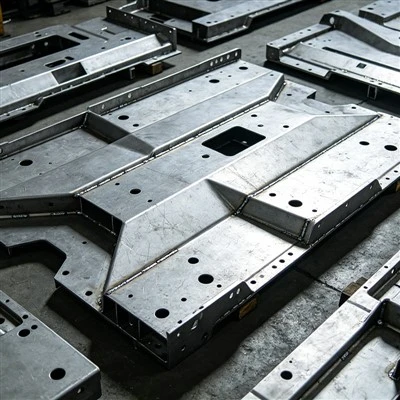
The material selection is the cornerstone of achieving good dust - resistance in sheet metal equipment frames. We typically use high - quality steel and aluminum alloys. Steel is known for its durability and strength. It can be treated with special coatings to enhance its resistance to dust and other contaminants. Galvanized steel, for instance, has a protective zinc layer that not only prevents rust but also acts as a barrier against dust adhesion. Aluminum alloys, on the other hand, are lightweight and offer good corrosion resistance. They can be anodized, a process that creates a hard, protective oxide layer on the surface. This oxide layer reduces the chances of dust sticking to the surface and also enhances the overall aesthetic appeal of the equipment frame. You can find more about our high - quality Mechanical Sheet Metal Parts on our website.
The design of the sheet metal equipment frame also plays a vital role in its dust - resistance properties. A well - designed frame should have minimal openings and gaps. We use advanced computer - aided design (CAD) software to ensure that the frame is as airtight as possible. Seamless joints and precision - cut edges are essential to prevent dust from entering the equipment. For example, we design the frames with overlapping panels and use gaskets and seals at critical junctions. These gaskets are made of materials such as rubber or silicone, which have excellent sealing properties. They can effectively block the entry of dust particles, no matter how small they are.
In addition to minimizing openings, we also pay attention to the overall shape of the frame. Smooth, curved surfaces are preferred over sharp angles and recesses. Sharp corners and deep recesses can act as dust traps, where particles tend to accumulate. By using a streamlined design, dust is more likely to be swept away by air currents, rather than being trapped on the surface of the frame.
Surface finishing techniques are another important aspect of enhancing dust - resistance. Painting is a common method used to protect the sheet metal and improve its dust - resistance. A high - quality paint coating forms a smooth, non - porous surface that makes it difficult for dust to adhere. Powder coating is especially popular in our production process. It provides a thick, durable finish that is resistant to chipping, scratching, and chemical damage. Moreover, powder - coated surfaces are easier to clean, as dust can be simply wiped off.
Another surface treatment option is electroplating. Electroplating can deposit a thin layer of metal, such as nickel or chrome, on the surface of the sheet metal. This layer not only enhances the appearance of the frame but also provides a smooth and dust - repellent surface. The electroplated layer can also improve the corrosion resistance of the frame, which is beneficial in environments where moisture and dust coexist.
We also offer specialized Equipment Dustproof Sheet Metal Guards that can be added to the equipment frames. These guards are designed to provide an extra layer of protection against dust. They can be customized to fit the specific dimensions and requirements of different equipment. For example, in environments where there is a lot of airborne dust, such as mining sites or woodworking shops, our dustproof sheet metal guards can significantly reduce the amount of dust that reaches the sensitive components of the equipment.
Stamped sheet metal parts are also an integral part of our sheet metal equipment frames. Stamping allows us to create precise and complex shapes, which can be used to close off potential dust entry points. The stamping process ensures that the parts fit together perfectly, leaving no gaps for dust to penetrate. You can learn more about our Stamped Sheet Metal Parts on our website.


Machine Tool Sheet Metal Housings are another product category where dust - resistance is of utmost importance. These housings protect the internal components of machine tools from dust, chips, and other contaminants. We use high - strength sheet metal and advanced manufacturing techniques to ensure that our Machine Tool Sheet Metal Housings are both durable and dust - resistant. They are designed to be easy to install and maintain, and they can be customized to meet the specific needs of different machine tools.
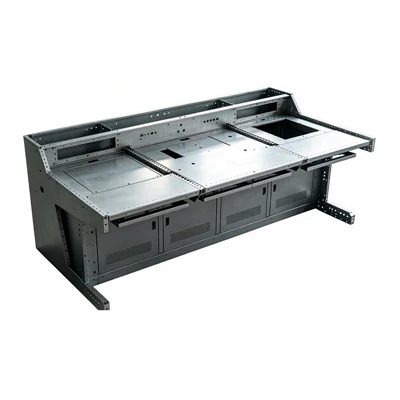
In the case of Mechanical Sheet Metal Frames, we take every possible measure to ensure maximum dust - resistance. Quality control is a continuous process in our production. We conduct thorough inspections at every stage of the manufacturing process to ensure that the frames meet our high standards of dust - resistance.
When it comes to ensuring the long - term dust - resistance of our sheet metal equipment frames, we also provide maintenance guidelines to our customers. Regular cleaning and inspection can help to keep the frames in optimal condition. Simple measures such as wiping the surface with a clean, dry cloth or using compressed air to blow away dust can go a long way in maintaining the dust - resistance of the frames.
In conclusion, the dust - resistance properties of sheet metal equipment frames are determined by a combination of factors, including material selection, design, surface finishing, and the use of specialized parts and guards. As a supplier of Sheet Metal Equipment Frames, we are committed to providing high - quality products that offer excellent dust - resistance. If you are in the market for sheet metal equipment frames with superior dust - resistance properties, we invite you to get in touch with us for further discussion and potential partnership in procurement.
References
- "Materials Science and Engineering: An Introduction" by William D. Callister Jr. and David G. Rethwisch.
- "Manufacturing Engineering and Technology" by Serope Kalpakjian and Steven R. Schmid.
- Industry - specific publications on sheet metal manufacturing and dust protection in industrial environments.