
When it comes to equipment sheet metal housings, strength is a critical factor that directly impacts the performance, durability, and reliability of the equipment they protect. As a leading supplier of Equipment Sheet Metal Housings, we understand the importance of providing robust and high-quality solutions to our customers. In this blog, we will explore various strategies and techniques to improve the strength of equipment sheet metal housings.
1. Material Selection
The choice of material is the foundation for a strong sheet metal housing. Different materials have distinct mechanical properties, such as tensile strength, yield strength, and hardness. Commonly used materials for sheet metal housings include steel, aluminum, and stainless steel.
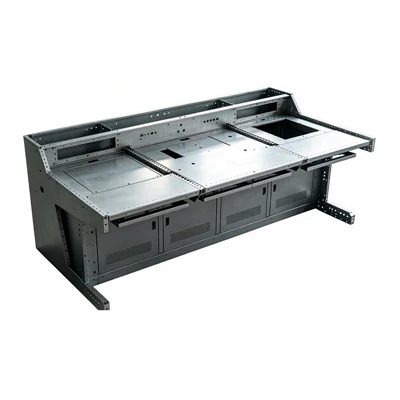
- Steel: Steel is known for its high strength and excellent durability. Carbon steel, in particular, offers a good balance between strength and cost. It can withstand heavy loads and is suitable for applications where high structural integrity is required. For example, Mechanical Sheet Metal Frames often use steel due to its ability to support mechanical components and resist deformation.
- Aluminum: Aluminum is lightweight yet has relatively good strength. It is corrosion - resistant, which makes it ideal for outdoor or harsh environment applications. Additionally, its high thermal conductivity can be an advantage for equipment that needs to dissipate heat. Stamped Sheet Metal Parts made of aluminum are popular in the automotive and aerospace industries.
- Stainless Steel: Stainless steel combines high strength with excellent corrosion resistance. It is suitable for applications where the housing will be exposed to moisture, chemicals, or other corrosive substances. Equipment Dustproof Sheet Metal Guards made of stainless steel can provide long - term protection in industrial settings.
2. Design Optimization
A well - designed sheet metal housing can significantly enhance its strength. Here are some design considerations:


Geometric Shapes
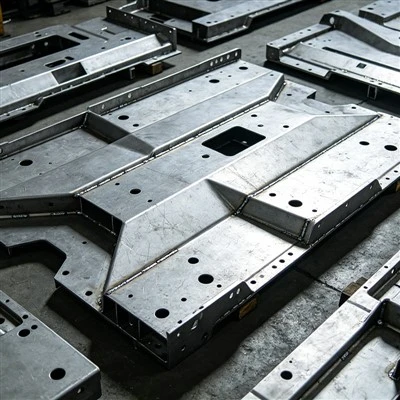
- Ribs and Beads: Adding ribs and beads to the housing can increase its stiffness and resistance to bending. Ribs act as structural reinforcements, distributing the load evenly across the surface. For example, in Machine Tool Sheet Metal Housings, ribs are often used to improve the housing's ability to withstand the vibrations and forces generated during machining operations.
- Corners and Edges: Rounded corners and edges are better than sharp ones in terms of strength. Sharp corners can create stress concentrations, which may lead to cracks and failure under load. By rounding the corners, the stress is distributed more evenly, reducing the risk of damage.
Wall Thickness
The wall thickness of the sheet metal housing is a crucial factor affecting its strength. However, increasing the wall thickness uniformly may not be the most cost - effective solution. Instead, the wall thickness can be optimized based on the stress distribution. Areas that experience higher stress can have a greater wall thickness, while less - stressed areas can have a thinner wall to reduce weight and cost.
Assembly Design
Proper assembly design can also contribute to the overall strength of the housing. Using high - quality fasteners, such as bolts and rivets, and ensuring a proper fit between components can prevent loosening and separation under load. Additionally, welding can be used to create a strong and permanent joint, but it requires careful control to avoid distortion and weakening of the material.
3. Manufacturing Processes
The manufacturing processes used to produce sheet metal housings can have a significant impact on their strength.
Forming Processes
- Bending: Bending is a common process in sheet metal fabrication. The bending radius and angle need to be carefully controlled to ensure that the material does not crack or lose its strength. A smaller bending radius may increase the stress on the material, while an improper bending angle can lead to misalignment and reduced stiffness.
- Stamping: Stamping can be used to create complex shapes and features in the sheet metal. The stamping process should be optimized to ensure uniform material deformation and avoid excessive thinning or cracking. For Stamped Sheet Metal Parts, proper die design and stamping parameters are crucial for achieving high - strength parts.
Heat Treatment
Heat treatment can be used to improve the mechanical properties of the sheet metal. For example, annealing can relieve internal stresses in the material, while quenching and tempering can increase the hardness and strength of steel. However, heat treatment must be carefully controlled to avoid over - hardening or distortion of the housing.
4. Surface Treatment
Surface treatment not only enhances the appearance of the sheet metal housing but also improves its strength and durability.
- Coating: Applying a protective coating, such as paint or powder coating, can prevent corrosion and wear. Corrosion can weaken the material over time, reducing the strength of the housing. A good coating can act as a barrier between the metal and the environment, extending the lifespan of the housing.
- Galvanizing: Galvanizing is a process of coating the sheet metal with zinc to provide corrosion protection. Zinc is more reactive than steel, so it sacrifices itself to protect the underlying steel from rusting. This can significantly improve the durability of Construction Machinery Sheet Metal Parts exposed to harsh outdoor conditions.
5. Quality Control
Quality control is essential to ensure that the sheet metal housings meet the required strength standards.
- Inspection: Regular inspection during the manufacturing process can detect any defects, such as cracks, porosity, or improper dimensions. Non - destructive testing methods, such as ultrasonic testing and X - ray inspection, can be used to detect internal flaws in the material.
- Testing: Physical testing, such as tensile testing, compression testing, and impact testing, can be performed on sample housings to verify their strength and mechanical properties. This helps to ensure that the final product meets the design specifications.
In conclusion, improving the strength of equipment sheet metal housings requires a comprehensive approach that includes material selection, design optimization, proper manufacturing processes, surface treatment, and quality control. As a supplier of Equipment Sheet Metal Housings, we have the expertise and experience to provide high - strength solutions tailored to your specific needs. If you are in the market for reliable and durable sheet metal housings, we invite you to contact us for a detailed discussion on your requirements. We look forward to the opportunity to work with you and provide you with the best - in - class products.
References
- ASM Handbook, Vol. 1: Properties and Selection: Irons, Steels, and High - Performance Alloys
- Design for Manufacturability Handbook for Sheet Metal Parts
- Metal Forming Handbook: A Practical Guide to Stamping and Forging