
Ensuring the long - term durability of a PLC control cabinet enclosure is crucial for maintaining the reliability and performance of the entire control system. As a supplier of PLC Control Cabinet Enclosure, I have gained extensive experience and knowledge in this area. In the following text, I will share some key strategies and practices that can help you achieve this goal.
1. Material Selection
The choice of material for the PLC control cabinet enclosure is fundamental to its durability. Different materials offer varying levels of resistance to corrosion, mechanical stress, and environmental factors.
Stainless Steel
Stainless steel is one of the most popular choices for PLC control cabinet enclosures, especially the 304 Stainless Steel Cabinet. It has excellent corrosion resistance, which makes it suitable for use in harsh environments such as chemical plants, food processing facilities, and outdoor installations. The chromium content in stainless steel forms a passive oxide layer on the surface, protecting it from rust and other forms of corrosion. Additionally, stainless steel is mechanically strong and can withstand impacts and vibrations, ensuring the safety of the components inside the cabinet.
Aluminum
Aluminum is another lightweight and corrosion - resistant material option. It is easy to fabricate and has a good strength - to - weight ratio. Aluminum enclosures are often used in applications where weight is a concern, such as in mobile or aerospace - related industrial automation systems. However, it may require additional surface treatments to enhance its corrosion resistance in highly corrosive environments.
Carbon Steel
Carbon steel is a strong and cost - effective material. It can be used in less corrosive indoor environments. However, it is prone to rusting, so it usually needs to be painted or coated with a protective layer to prevent corrosion.
2. Design and Construction
A well - designed and constructed PLC control cabinet enclosure can significantly enhance its durability.
Sealing
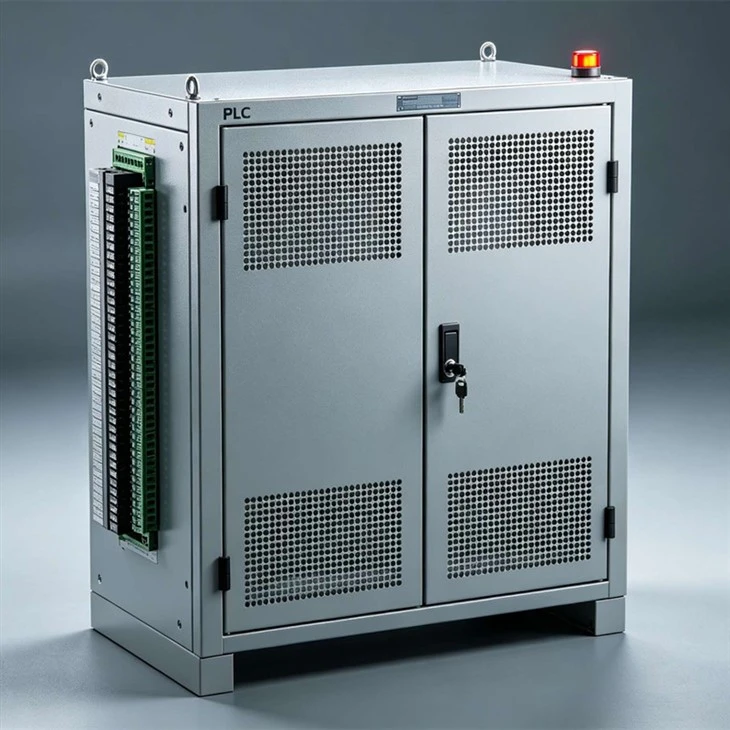
Proper sealing is essential to prevent the ingress of dust, moisture, and other contaminants. Gaskets are commonly used to seal the joints between the door and the cabinet body. The gaskets should be made of high - quality materials that are resistant to aging, temperature variations, and chemical exposure. For example, silicone gaskets are often used due to their excellent sealing performance and temperature resistance. In addition, cable entry points should also be sealed to prevent the entry of water and dust through the cables.
Ventilation
Adequate ventilation is necessary to dissipate heat generated by the components inside the cabinet. Overheating can cause premature failure of electronic components. The design should include ventilation holes or fans to ensure proper air circulation. However, the ventilation system should also be designed in such a way that it does not compromise the sealing of the cabinet. For example, filters can be installed at the ventilation openings to prevent the entry of dust while allowing air to flow.
Structural Integrity
The cabinet should be designed with a robust structure to withstand mechanical stress. Reinforcements can be added to critical areas such as corners and edges to prevent deformation. The thickness of the cabinet walls should also be carefully selected based on the expected load and environmental conditions. For example, in industrial environments with high levels of vibration, a thicker - walled cabinet may be required.
3. Surface Treatment
Surface treatment can further enhance the durability of the PLC control cabinet enclosure.
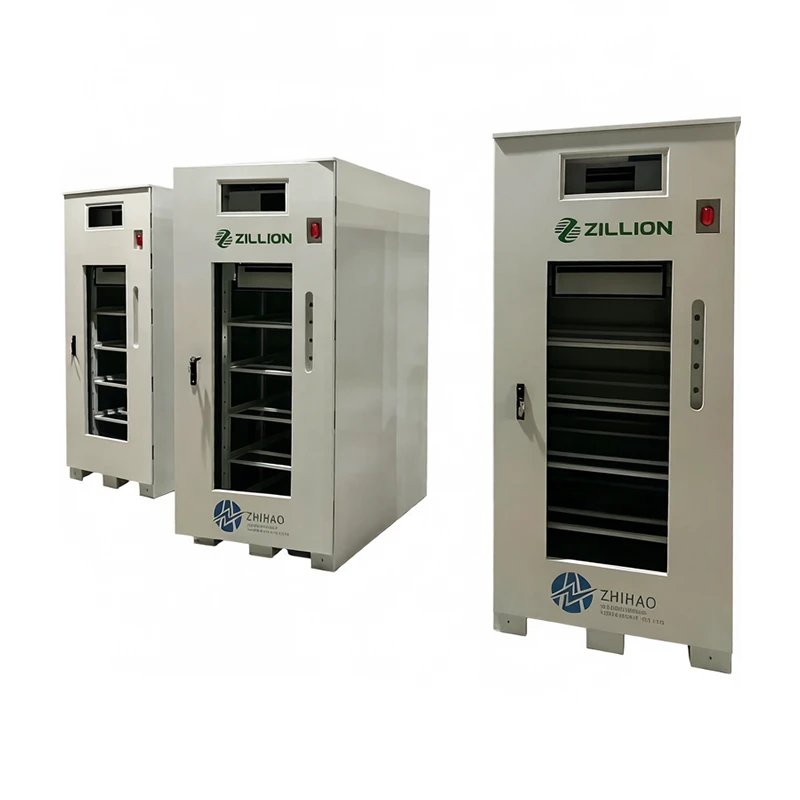
Painting
Painting is a common surface treatment method that can provide an additional layer of protection against corrosion. The paint should be selected based on the environment in which the cabinet will be used. For outdoor applications, a weather - resistant paint with good UV protection is required. The painting process should also be carried out properly, including surface preparation to ensure good adhesion of the paint.
Galvanizing
Galvanizing involves coating the steel surface with a layer of zinc. This zinc coating acts as a sacrificial anode, protecting the steel from corrosion. Hot - dip galvanizing is a popular method as it provides a thick and durable zinc layer. Galvanized enclosures are often used in outdoor and harsh industrial environments.
4. Installation and Maintenance
Proper installation and regular maintenance are also important factors in ensuring the long - term durability of the PLC control cabinet enclosure.
Installation
During installation, the cabinet should be mounted securely on a stable surface. It should be leveled to ensure that the door can close properly and the sealing is effective. Cables should be routed neatly and secured to prevent damage to the enclosure and the cables themselves. In addition, the cabinet should be installed in an area where it is not exposed to direct sunlight, excessive heat, or mechanical damage.
Maintenance
Regular maintenance is necessary to detect and address any potential issues early. The enclosure should be inspected regularly for signs of damage, such as cracks, dents, or corrosion. The gaskets should be checked for wear and tear and replaced if necessary. The ventilation system should be cleaned to ensure proper air circulation. Additionally, the interior of the cabinet should be kept clean to prevent the accumulation of dust and debris.
5. Compatibility with Surrounding Environment
The PLC control cabinet enclosure needs to be compatible with the surrounding environment to ensure its long - term durability.
Temperature and Humidity
The enclosure should be able to withstand the temperature and humidity variations in the environment. In high - temperature environments, heat - resistant materials and proper ventilation are required. In high - humidity environments, moisture - resistant materials and effective sealing are essential.
Chemical Exposure
In environments where the cabinet may be exposed to chemicals, such as in chemical plants or laboratories, the enclosure should be made of materials that are resistant to these chemicals. For example, in an environment with acidic chemicals, a cabinet made of stainless steel or a specially coated cabinet may be required.
Conclusion
Ensuring the long - term durability of a PLC control cabinet enclosure requires a comprehensive approach that includes material selection, design and construction, surface treatment, installation, and maintenance. By following these best practices, you can significantly extend the service life of the enclosure and ensure the reliable operation of the control system. If you are looking for high - quality PLC Control Cabinet Enclosure, 304 Stainless Steel Cabinet, Industrial Automation Cabinet, Battery Storage Enclosure, or Irregular Metal Enclosure, please feel free to contact us for procurement and negotiation. We are committed to providing you with products that meet your specific requirements and high - quality services.
References
- "Industrial Control Cabinet Design and Installation Guide", Industry Standard Publication.
- "Materials for Electrical Enclosures: A Comparative Analysis", Journal of Electrical Engineering Materials.
- "Maintenance Best Practices for PLC Control Systems", Automation Technology Magazine.