
In the dynamic realm of industrial operations, the industrial automation cabinet stands as a cornerstone of efficiency and reliability. As a seasoned supplier of industrial automation cabinets, I've witnessed firsthand the transformative impact these cabinets have on diverse industries. In this blog post, I'll delve into the main functions of an industrial automation cabinet, exploring how they streamline processes, enhance safety, and contribute to overall productivity.
Protection of Electronic Components
One of the primary functions of an industrial automation cabinet is to safeguard sensitive electronic components from harsh environmental conditions. In industrial settings, equipment is often exposed to dust, moisture, extreme temperatures, and mechanical vibrations. The cabinet acts as a protective shield, preventing these elements from causing damage to the internal components.
For instance, in a manufacturing plant where machinery generates a significant amount of dust, an industrial automation cabinet can prevent dust particles from entering and clogging the electronic circuits. Similarly, in outdoor applications, such as oil and gas facilities, the cabinet protects the components from rain, snow, and UV radiation. By providing a controlled environment, the cabinet extends the lifespan of the electronic components and reduces the risk of costly downtime.
Organization and Management of Wiring
Another crucial function of an industrial automation cabinet is to organize and manage the complex network of wiring. In an industrial automation system, there are numerous cables and wires connecting various components, such as sensors, actuators, and controllers. Without proper organization, these wires can become tangled and difficult to manage, leading to potential electrical hazards and maintenance challenges.
The cabinet provides a structured framework for routing and securing the wiring, ensuring that each cable is properly labeled and easily accessible. This not only simplifies the installation and maintenance process but also reduces the risk of electrical short circuits and signal interference. Additionally, the cabinet can be equipped with cable management accessories, such as cable trays, conduits, and wire ducts, to further enhance the organization and protection of the wiring.
Integration of Control Systems
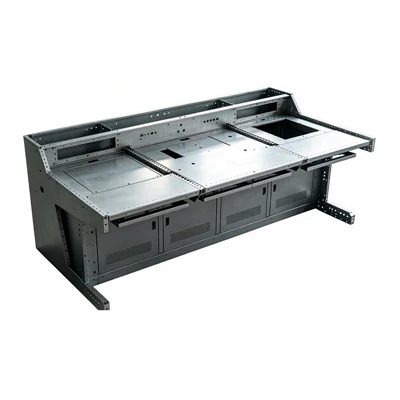
Industrial automation cabinets play a vital role in integrating different control systems and components into a cohesive unit. In modern industrial processes, multiple control systems, such as programmable logic controllers (PLCs), human-machine interfaces (HMIs), and variable frequency drives (VFDs), are often used to monitor and control various aspects of the operation.
The cabinet serves as a central hub for these control systems, providing a platform for mounting and interconnecting the components. It allows for seamless communication between the different systems, enabling real-time data exchange and coordinated control. For example, a PLC can be connected to sensors and actuators through the cabinet, allowing it to monitor the process variables and adjust the control parameters accordingly. The HMI can be used to display the process information and provide operators with a user-friendly interface for interacting with the system.
Thermal Management
Proper thermal management is essential for the reliable operation of electronic components in an industrial automation cabinet. Electronic devices generate heat during operation, and if this heat is not dissipated effectively, it can lead to overheating and premature failure of the components.


The cabinet is designed with ventilation systems and cooling mechanisms to regulate the temperature inside the enclosure. These systems can include fans, heat sinks, and air conditioners, depending on the specific requirements of the application. By maintaining a stable temperature, the cabinet ensures that the electronic components operate within their optimal temperature range, improving their performance and reliability.
Safety and Security
Industrial automation cabinets are also designed to provide a high level of safety and security for the personnel and equipment. In industrial environments, there are various safety hazards, such as electrical shock, fire, and explosion. The cabinet is constructed with materials that are resistant to these hazards and is equipped with safety features, such as door interlocks, grounding systems, and overcurrent protection devices.
Additionally, the cabinet can be designed to prevent unauthorized access to the internal components. It can be equipped with locks, access control systems, and surveillance cameras to ensure that only authorized personnel can access the cabinet. This helps to protect the sensitive information and intellectual property stored in the control systems and reduces the risk of sabotage and theft.
Customization and Flexibility
As an industrial automation cabinet supplier, I understand that every customer has unique requirements. That's why our cabinets are highly customizable and flexible, allowing us to tailor them to the specific needs of each application.
We offer a wide range of cabinet sizes, shapes, and materials to choose from, ensuring that we can provide a solution that fits your requirements. Our cabinets can be equipped with various features and accessories, such as cable management systems, ventilation systems, and lighting, to enhance their functionality and usability. Additionally, we can provide custom designs and modifications to meet your specific needs.
Conclusion
In conclusion, the industrial automation cabinet is a critical component in modern industrial processes. It provides protection, organization, integration, thermal management, safety, and security for the electronic components and control systems. By choosing a high-quality industrial automation cabinet from a reliable supplier, you can ensure the efficient and reliable operation of your industrial automation system.
If you're interested in learning more about our industrial automation cabinets or would like to discuss your specific requirements, please feel free to contact us. We'd be happy to provide you with more information and help you find the right solution for your application.
References
- "Industrial Automation Handbook" by Peter Welter
- "Control Cabinet Design and Installation Guide" by Rockwell Automation
- "Electrical Safety in Industrial Environments" by National Fire Protection Association
Here are some related products on our website that you may be interested in:
- PLC Control Cabinet Enclosure
- Medical Bedside Sheet Metal Cabinet
- 304 Stainless Steel Cabinet
- Stainless Steel Outdoor Enclosure
- Home Inverter Cabinet
If you're considering purchasing an industrial automation cabinet or have any questions, don't hesitate to reach out. We're here to assist you in making the best decision for your industrial needs.