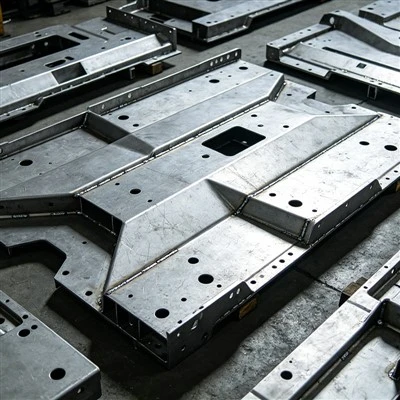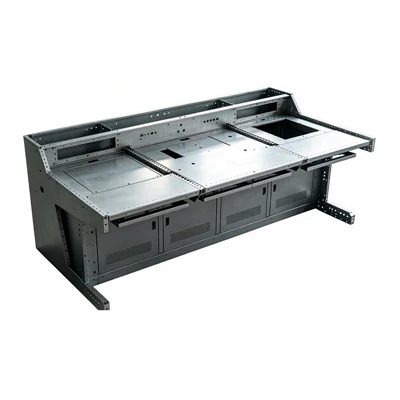

As a supplier of Equipment Sheet Metal Housings, I know firsthand how crucial proper storage is for maintaining the quality and integrity of these products. In this blog post, I'll share some practical tips on how to store equipment sheet metal housings properly.


Why Proper Storage Matters
Before we dive into the storage methods, let's talk about why proper storage is so important. Sheet metal housings are often used to protect sensitive equipment, and any damage to the housing can compromise the functionality of the equipment inside. Rust, dents, scratches, and warping are all common issues that can occur if sheet metal housings aren't stored correctly. These problems not only affect the appearance of the housings but also their performance and durability.
Choose the Right Storage Location
The first step in proper storage is to choose the right location. The storage area should be clean, dry, and well-ventilated to prevent rust and corrosion. Avoid storing sheet metal housings in areas prone to flooding, high humidity, or extreme temperature fluctuations. A climate-controlled warehouse is ideal, but if that's not possible, try to find a storage space with good insulation and ventilation.
Use Appropriate Shelving and Racking
When it comes to storing sheet metal housings, using the right shelving and racking is essential. Make sure the shelving is sturdy enough to support the weight of the housings and that it's in good condition. Avoid overcrowding the shelves, as this can cause the housings to shift and become damaged. If possible, use adjustable shelving to accommodate different sizes of housings.
For larger or heavier sheet metal housings, consider using pallet racking. Pallet racking allows you to store the housings on pallets, making them easier to move and organize. Make sure the pallets are in good condition and that they're stacked evenly to prevent the housings from tipping over.
Protect the Housings from Damage
To prevent dents, scratches, and other damage, it's important to protect the sheet metal housings during storage. One way to do this is to use protective covers or padding. You can use bubble wrap, foam padding, or other soft materials to cover the housings and prevent them from coming into contact with each other or with hard surfaces.
Another way to protect the housings is to use dividers or partitions on the shelves. This helps to keep the housings separated and prevents them from rubbing against each other. You can use plastic dividers, cardboard partitions, or even wood strips to create the dividers.
Label and Organize the Housings
Proper labeling and organization are key to efficient storage. Make sure each housing is labeled with its part number, description, and any other relevant information. This makes it easier to find the housings when you need them and helps to prevent mix-ups.
You can also organize the housings by size, shape, or type. This makes it easier to locate the specific housing you need and helps to keep the storage area tidy. Consider using a storage management system, such as a barcode scanner or inventory management software, to keep track of the housings and their locations.
Regularly Inspect the Housings
Even if you've taken all the necessary precautions to store the sheet metal housings properly, it's still important to regularly inspect them for damage. This allows you to catch any issues early on and take corrective action before they become more serious.
During the inspection, check for signs of rust, corrosion, dents, scratches, or warping. If you notice any damage, mark the housing and set it aside for repair or replacement. You should also check the protective covers and padding to make sure they're still in good condition and providing adequate protection.
Additional Tips for Storing Special Types of Sheet Metal Housings
In addition to the general storage tips mentioned above, there are some additional considerations for storing special types of sheet metal housings.
Sheet Metal Equipment Frames
Sheet metal equipment frames are often large and heavy, so it's important to use sturdy shelving or racking to support them. Make sure the frames are stored in an upright position to prevent them from warping or bending. You can also use foam padding or other soft materials to protect the frames from damage.
Mechanical Sheet Metal Frames
Mechanical sheet metal frames may have moving parts or delicate components, so it's important to take extra care when storing them. Make sure the frames are stored in a way that prevents the moving parts from getting damaged or stuck. You can also use protective covers or padding to prevent dust and debris from accumulating on the frames.
Precision Sheet Metal Parts
Precision sheet metal parts are often used in high-precision applications, so it's important to store them in a clean, dry environment to prevent contamination. Make sure the parts are stored in sealed containers or bags to prevent dust and debris from getting inside. You can also use anti-static packaging to prevent static electricity from damaging the parts.
Special-shaped Sheet Metal Parts
Special-shaped sheet metal parts may require custom storage solutions to prevent them from getting damaged. You can use custom-made racks or holders to store the parts in a way that keeps them secure and prevents them from shifting. You can also use foam inserts or other soft materials to protect the parts from damage.
Conclusion
Proper storage is essential for maintaining the quality and integrity of equipment sheet metal housings. By choosing the right storage location, using appropriate shelving and racking, protecting the housings from damage, labeling and organizing the housings, and regularly inspecting them, you can ensure that your sheet metal housings are in good condition and ready to use when you need them.
If you're in the market for high-quality Equipment Sheet Metal Housings, look no further. We're a leading supplier of sheet metal products, and we offer a wide range of options to meet your needs. Contact us today to learn more about our products and to discuss your specific requirements. We're here to help you find the perfect solution for your equipment.
References
- "Sheet Metal Storage Best Practices" - Industry Standard Handbook
- "Protecting Sheet Metal Components During Storage" - Manufacturing Insights Magazine