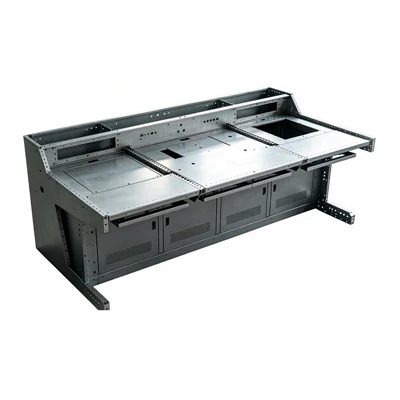

Hey there! I'm a supplier of Machine Tool Sheet Metal Housings, and today I wanna chat about how to improve the anti-impact performance of these housings. It's a crucial aspect, especially in industries where machine tools are exposed to various impacts and rough handling.
First off, let's understand why improving anti-impact performance matters. Machine tool sheet metal housings protect the internal components of machine tools from external impacts, debris, and even accidental collisions. If the housing isn't strong enough to withstand these impacts, it can lead to damage to the internal parts, downtime for repairs, and increased costs in the long run. So, enhancing the anti-impact performance is not just about protecting the housing itself but also ensuring the smooth operation and longevity of the entire machine tool.
Material Selection
One of the most fundamental steps in improving the anti-impact performance is choosing the right material for the sheet metal housing. Steel is a popular choice due to its high strength and durability. High-strength steel, in particular, can offer excellent resistance to impacts. It has a higher yield strength and ultimate tensile strength compared to regular steel, which means it can absorb more energy before deforming or breaking.
Another option is aluminum. Aluminum is lightweight, which can be an advantage in some applications where weight is a concern. However, when it comes to anti-impact performance, it may not be as strong as steel. But there are high-strength aluminum alloys available that can provide a good balance between weight and impact resistance.
For more information on different types of sheet metal parts, you can check out Equipment Sheet Metal Housings, Mechanical Sheet Metal Parts, and Bent Sheet Metal Parts.
Design Considerations
The design of the machine tool sheet metal housing also plays a significant role in its anti-impact performance. Here are some key design aspects to consider:
Reinforcement
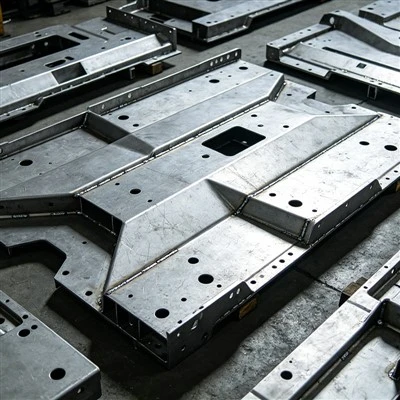
Adding reinforcements to the housing can significantly improve its strength and impact resistance. This can be done through the use of ribs, gussets, or stiffeners. Ribs can be placed along the edges or across the surface of the housing to distribute the impact load more evenly. Gussets can be used at the corners or joints to provide additional support and prevent the housing from bending or collapsing under impact.
Shape and Geometry
The shape and geometry of the housing can also affect its anti-impact performance. For example, curved or rounded surfaces can generally withstand impacts better than flat surfaces. This is because curved surfaces can deflect the impact force and reduce the stress concentration at a single point. Additionally, designing the housing with a more streamline shape can help reduce the chances of debris or objects getting stuck and causing damage.
Mounting and Assembly
Proper mounting and assembly of the housing are crucial for maintaining its anti-impact performance. Ensure that the housing is securely attached to the machine tool frame and that all the fasteners are tightened properly. Loose connections can lead to the housing vibrating or shifting under impact, which can increase the risk of damage.
Manufacturing Processes
The manufacturing processes used to produce the machine tool sheet metal housing can also have an impact on its anti-impact performance. Here are some important processes to consider:
Forming
The forming process, such as bending or stamping, can affect the strength and integrity of the sheet metal. When bending the sheet metal, it's important to control the bending radius to avoid cracking or weakening the material. Using the right tools and techniques can ensure that the formed parts have the desired shape and strength.
Welding
Welding is a common method for joining sheet metal parts together. However, poor welding quality can lead to weak joints that are prone to failure under impact. It's important to use proper welding techniques and ensure that the welds are strong and free of defects. This may involve using the right welding equipment, selecting the appropriate welding wire or electrode, and controlling the welding parameters such as current, voltage, and speed.
Surface Treatment
Applying a surface treatment to the sheet metal housing can also improve its anti-impact performance. For example, a coating can provide an additional layer of protection against corrosion and wear, which can help maintain the strength and integrity of the housing over time. Some common surface treatments include painting, powder coating, and galvanizing.
Testing and Quality Control
Once the machine tool sheet metal housing is manufactured, it's important to conduct testing and quality control to ensure that it meets the desired anti-impact performance standards. Here are some common tests that can be performed:
Impact Testing
Impact testing involves subjecting the housing to a controlled impact force using a testing machine. This can help determine the maximum impact force that the housing can withstand without significant damage. Different types of impact tests can be used, such as drop tests, pendulum tests, or projectile tests, depending on the specific application and requirements.


Non-Destructive Testing
Non-destructive testing methods, such as ultrasonic testing or magnetic particle testing, can be used to detect any internal defects or flaws in the sheet metal housing. These tests can help ensure that the housing is free of any hidden weaknesses that could affect its anti-impact performance.
Quality Control Inspections
Regular quality control inspections should be conducted throughout the manufacturing process to ensure that all the components and assemblies meet the required specifications. This includes checking the dimensions, material properties, and surface finish of the sheet metal parts, as well as the quality of the welding and other joining processes.
Conclusion
Improving the anti-impact performance of machine tool sheet metal housings is a complex process that involves careful material selection, design considerations, manufacturing processes, and testing and quality control. By following these steps, you can ensure that your machine tool sheet metal housings are strong, durable, and able to withstand the rigors of industrial applications.
If you're in the market for high-quality Machine Tool Sheet Metal Housings or CNC Machine Tool Sheet Metal Guards, feel free to reach out to us. We have the expertise and experience to provide you with the best solutions for your specific needs. Let's talk about your requirements and find the perfect sheet metal housing for your machine tools!
References
- Materials Science and Engineering: An Introduction, by William D. Callister Jr. and David G. Rethwisch
- Manufacturing Engineering and Technology, by Serope Kalpakjian and Steven R. Schmid