
As a seasoned supplier of sheet metal cabinets, I've witnessed firsthand the diverse applications and requirements these products face across various industries. One crucial aspect that often comes under scrutiny is the insulation performance of sheet metal cabinets. In this blog, we'll delve into what insulation means in the context of sheet metal cabinets, why it's important, and how we, as a supplier, ensure our products meet the highest standards.
Understanding Insulation in Sheet Metal Cabinets
Insulation in sheet metal cabinets refers to the material's ability to resist the transfer of heat, sound, or electricity. Each of these aspects plays a vital role in different applications. For instance, in electrical enclosures, insulation helps prevent short - circuits and electrical shocks, protecting both the equipment inside and the personnel operating them. In the case of cabinets used in temperature - sensitive environments, such as medical or food storage facilities, thermal insulation is essential to maintain a stable internal temperature.
Thermal Insulation
Thermal insulation is perhaps the most commonly discussed type when it comes to sheet metal cabinets. The primary goal of thermal insulation is to reduce the rate of heat transfer between the inside and outside of the cabinet. In hot environments, it keeps the internal components cool, preventing overheating and potential damage. Conversely, in cold environments, it helps maintain a warm temperature inside the cabinet, ensuring the proper functioning of sensitive electronics or other equipment.
The effectiveness of thermal insulation is measured by its thermal conductivity, denoted as "k" value. A lower k - value indicates better insulation performance. For sheet metal cabinets, various insulating materials can be used, such as foam, fiberglass, and mineral wool. These materials are often installed as linings inside the cabinet walls to create a barrier against heat transfer.
Acoustic Insulation
Acoustic insulation is important for cabinets that house noisy equipment, such as generators or industrial machinery. By reducing the sound transmission from the inside of the cabinet to the outside, acoustic insulation helps create a more comfortable and safe working environment. It can also prevent noise pollution in the surrounding area.
Materials used for acoustic insulation in sheet metal cabinets typically have high sound - absorbing properties. These may include porous materials like acoustic foam panels or dense materials like mass - loaded vinyl. The insulation is installed inside the cabinet to absorb and dampen the sound waves generated by the equipment.
Electrical Insulation
Electrical insulation is crucial for safety in electrical cabinets. It prevents the flow of electric current through the cabinet walls, reducing the risk of electrical shocks and short - circuits. Good electrical insulation also helps maintain the integrity of the electrical system inside the cabinet by preventing interference and cross - talk between different components.

Common electrical insulating materials include non - conductive plastics, rubber, and ceramics. These materials are used in the form of coatings, gaskets, or barriers to isolate electrical components from the metal cabinet structure.
Why Insulation Performance Matters
The insulation performance of a sheet metal cabinet has a significant impact on its overall functionality and the performance of the equipment it houses. Here are some key reasons why good insulation is essential:
Equipment Protection
Proper insulation helps protect the equipment inside the cabinet from extreme temperatures, noise, and electrical interference. Overheating can cause electronic components to malfunction or fail prematurely, while exposure to excessive noise can lead to mechanical damage. By maintaining a stable environment inside the cabinet, insulation extends the lifespan of the equipment and reduces the need for frequent repairs and replacements.
Energy Efficiency
Thermal insulation plays a crucial role in improving the energy efficiency of sheet metal cabinets. In temperature - controlled environments, a well - insulated cabinet reduces the amount of energy required to maintain the desired internal temperature. This not only saves on energy costs but also reduces the environmental impact associated with energy consumption.
Safety
Electrical and acoustic insulation are directly related to safety. Electrical insulation prevents electrical hazards, protecting both the equipment and the people working around it. Acoustic insulation reduces noise levels, preventing hearing damage and improving the overall safety of the workplace.
Our Approach to Ensuring High - Quality Insulation
As a sheet metal cabinet supplier, we take several steps to ensure that our products offer excellent insulation performance:
Material Selection
We carefully select the materials for our cabinets and insulation based on their properties and the specific requirements of the application. For thermal insulation, we use materials with low thermal conductivity, such as high - density foam or fiberglass. For acoustic insulation, we choose materials with high sound - absorbing capabilities, and for electrical insulation, we rely on non - conductive and robust materials.
Design Optimization
Our engineering team focuses on optimizing the design of the cabinets to enhance insulation. We ensure that there are no gaps or seams in the insulation layers that could allow heat, sound, or electricity to pass through. We also pay attention to the placement of ventilation holes and other openings to minimize the impact on insulation performance.
Quality Control
We have a rigorous quality control process in place to test the insulation performance of our cabinets. We use specialized equipment to measure thermal conductivity, sound absorption, and electrical resistance. Only cabinets that meet our strict quality standards are released for sale.
Examples of Our Insulated Sheet Metal Cabinets
We offer a wide range of sheet metal cabinets with excellent insulation performance. Here are some of our popular products:
- Medical Bedside Sheet Metal Cabinet: These cabinets are designed to store medical supplies and equipment at a stable temperature. They feature high - quality thermal insulation to ensure the integrity of the stored items.
- 304 Stainless Steel Cabinet: Made from durable 304 stainless steel, these cabinets are suitable for various industrial applications. They are provided with electrical insulation to protect the internal components from electrical hazards.
- Irregular Metal Enclosure: Our irregular metal enclosures are customized to meet specific customer requirements. They can be equipped with acoustic insulation to reduce noise from the enclosed equipment.
- EV Charger Outdoor Enclosure: These enclosures are designed to protect EV chargers from the elements. They have excellent thermal insulation to ensure the proper functioning of the charger in different weather conditions.
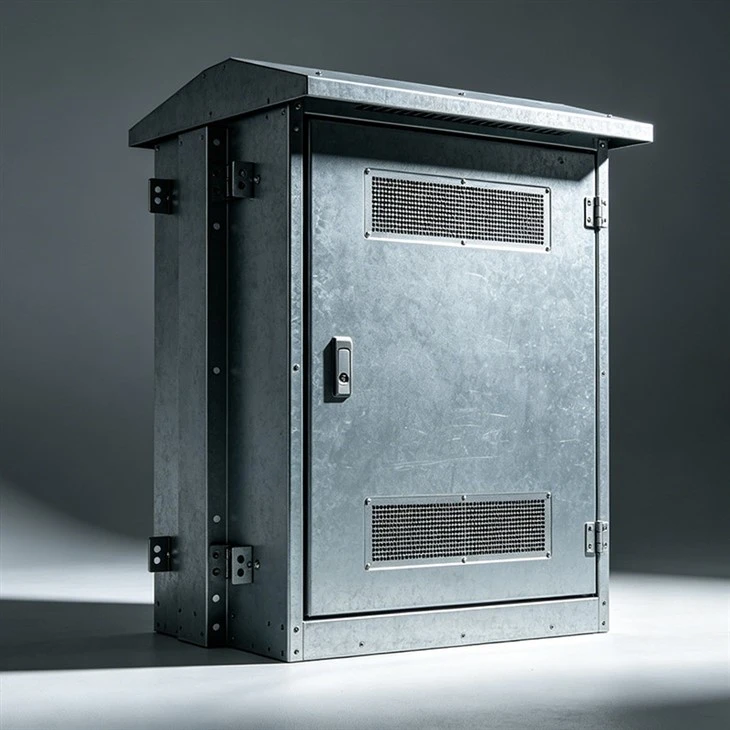
- Floor Standing Outdoor Cabinet: Suitable for outdoor use, these floor - standing cabinets are insulated to prevent heat loss in cold weather and overheating in hot weather.
Getting in Touch for Your Insulated Sheet Metal Cabinet Needs
If you're in the market for high - quality insulated sheet metal cabinets, we're here to help. Our team of experts can work with you to understand your specific requirements and recommend the best solutions for your application. Whether you need a standard cabinet or a customized design, we have the expertise and resources to deliver.
Don't hesitate to reach out to us to discuss your project. We look forward to the opportunity to work with you and provide you with top - notch sheet metal cabinets that meet your insulation and other needs.
References
- ASHRAE Handbook of Fundamentals. This handbook provides comprehensive information on insulation materials and their properties, as well as design considerations for thermal insulation.
- National Electrical Code (NEC). The NEC outlines the requirements for electrical insulation in cabinets and other electrical enclosures to ensure safety.
- ISO 16283 Standards for Acoustics. These standards are used to measure and evaluate the acoustic insulation performance of building and cabin components.