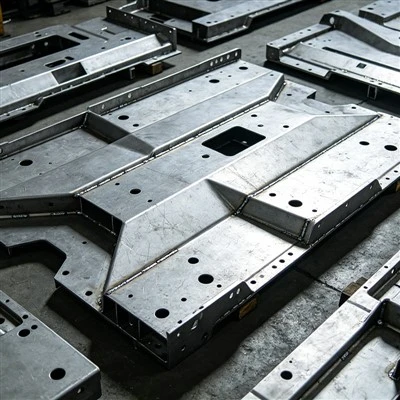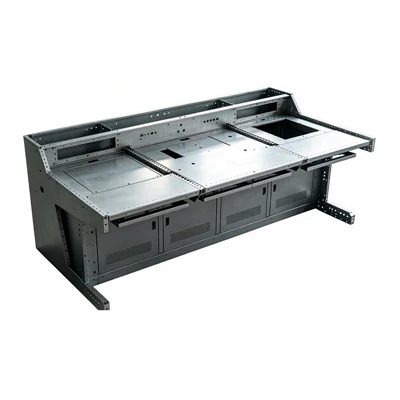

Yo! I'm an Equipment Sheet Metal Housings supplier, and I've been in this game for quite a while. Today, I wanna share some tips on what's the cost - effective way to produce equipment sheet metal housings.
1. Material Selection
First things first, let's talk about materials. You don't wanna just pick any metal for the job. Different metals have different costs, properties, and availability.
Steel is a popular choice. It's strong, durable, and relatively inexpensive. Mild steel, in particular, is great for general - purpose equipment sheet metal housings. It can withstand a lot of wear and tear, and it's easy to work with. You can cut, bend, and weld it without too much hassle. But here's the thing, if you need something that's more corrosion - resistant, you might want to look into stainless steel. Yeah, it's more costly than mild steel, but it can save you money in the long run by reducing maintenance and replacement costs.
Aluminum is another option. It's lightweight and corrosion - resistant, which makes it perfect for applications where weight is a concern, like in aerospace or portable equipment. However, aluminum is usually more expensive than steel. But don't worry, if you can find a reliable supplier who offers competitive prices, you can still get a good deal on aluminum sheet metal.


When it comes to material selection, it's all about finding the balance between cost and performance. You don't need the most expensive material if a cheaper one can do the job just fine. And don't forget to consider the availability of the material. If a particular metal is in short supply, it can drive up the cost and delay your production.
2. Design Optimization
The design of the equipment sheet metal housing plays a huge role in cost - effectiveness. A well - designed housing can reduce the amount of material used, simplify the manufacturing process, and improve the overall quality of the product.
One way to optimize the design is to minimize the number of parts. The fewer parts you have, the less time and effort you'll spend on assembly. You can also use modular designs, which allow you to reuse components across different products. This not only reduces costs but also makes it easier to repair and upgrade the equipment.
Another important aspect of design optimization is to consider the manufacturing process. For example, if you're using a bending process, make sure the design allows for easy bending without causing excessive stress or deformation. You can also take advantage of modern manufacturing techniques, like laser cutting and CNC machining. These techniques can produce precise and complex shapes with less waste, which can save you money on material costs.
If you're interested in different types of sheet metal parts, you can check out these links: Special - shaped Sheet Metal Parts, Precision Sheet Metal Parts, Construction Machinery Sheet Metal Parts, and Bent Sheet Metal Parts. These links will give you a better idea of what's out there and how different designs can impact the cost.
3. Manufacturing Process Selection
Choosing the right manufacturing process is crucial for cost - effective production. There are several processes available, and each has its own advantages and disadvantages.
Stamping is a popular process for mass - producing sheet metal parts. It's fast, efficient, and can produce high - quality parts with consistent dimensions. However, the initial setup cost for stamping can be quite high, so it's more suitable for large - volume production.
Laser cutting is another great option. It's precise, versatile, and can cut through a variety of materials. Laser cutting doesn't require any special tooling, which means there are no setup costs for small - batch production. It's also very flexible, allowing you to make quick changes to the design.
Welding is often used to join different sheet metal parts together. There are different welding methods, such as MIG welding and TIG welding. MIG welding is faster and more cost - effective for high - volume production, while TIG welding is more precise and suitable for thinner materials or applications where a high - quality finish is required.
CNC machining is a computer - controlled process that can produce complex shapes with high accuracy. It's a great option for small - batch production or when you need parts with tight tolerances. However, CNC machining can be more expensive than some other processes, especially for large - scale production.
4. Supplier Relationship Management
Having a good relationship with your suppliers is essential for cost - effective production. A reliable supplier can offer you better prices, consistent quality, and on - time delivery.
When choosing a supplier, don't just look at the price. You also need to consider their reputation, experience, and the quality of their products. Look for suppliers who have a proven track record in the industry and who can provide you with samples and references.
Negotiate with your suppliers to get the best deal. You can try to negotiate lower prices, longer payment terms, or volume discounts. Building a long - term relationship with your suppliers can also give you an edge in getting better deals.
Regular communication with your suppliers is also important. Keep them informed about your production schedule, any changes in the design, or any potential issues. This can help them plan their production and ensure that they can meet your requirements.
5. Quality Control
Quality control is often overlooked when it comes to cost - effectiveness. However, it's actually a key factor. If you produce low - quality equipment sheet metal housings, you'll end up with more returns, repairs, and customer complaints. This can cost you a lot of money in the long run.
Implement a quality control system throughout the production process. This can include inspections at different stages, from material receiving to final assembly. Use tools like calipers, micrometers, and gauges to ensure that the dimensions of the parts are within the specified tolerances.
Train your employees on quality control procedures. Make sure they understand the importance of producing high - quality products and how to identify and correct any quality issues.
By investing in quality control, you can reduce the number of defective products, improve customer satisfaction, and ultimately save money.
Let's Connect!
If you're in the market for Equipment Sheet Metal Housings, I'd love to talk to you. I've got the experience and the know - how to provide you with cost - effective solutions that meet your needs. Whether you need a small batch of custom - designed housings or a large - scale production, I'm here to help. So don't hesitate to reach out and let's start a conversation about your project.
References
- "Sheet Metal Fabrication Handbook"
- Industry reports on sheet metal manufacturing costs and trends.