
In the realm of industrial manufacturing, special-shaped sheet metal parts play a crucial role, especially in explosion-proof applications. As a dedicated supplier of special-shaped sheet metal parts, I have witnessed firsthand the significance of meeting strict design requirements to ensure safety and functionality. This blog post aims to delve into the key design requirements for special-shaped sheet metal parts in explosion-proof applications.
Material Selection
The choice of material is the foundation of designing special-shaped sheet metal parts for explosion-proof applications. The material must possess high strength, good corrosion resistance, and excellent electrical conductivity. Stainless steel is a popular choice due to its high strength and corrosion resistance. It can withstand harsh environments and prevent the formation of rust, which could potentially compromise the integrity of the part. Aluminum alloys are also widely used because of their lightweight and good electrical conductivity. They can dissipate static electricity effectively, reducing the risk of sparking.
When selecting materials, it is essential to consider the specific requirements of the explosion-proof environment. For example, in environments with high humidity or chemical exposure, materials with better corrosion resistance should be chosen. Additionally, the material's thickness should be carefully determined to ensure that the part can withstand the pressure and impact in the explosion-proof environment.
Structural Design
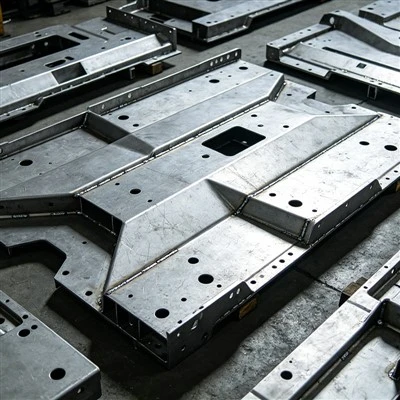
The structural design of special-shaped sheet metal parts is critical for explosion-proof applications. The part should be designed to prevent the spread of flames and gases in the event of an explosion. One of the key design principles is to create a sealed structure. Sealing can be achieved through welding, gaskets, or other sealing methods. The joints and seams of the part should be carefully designed to ensure a tight seal.
Another important aspect of structural design is the reinforcement of the part. Reinforcement can be achieved through the use of ribs, brackets, or other structural elements. These elements can increase the strength and rigidity of the part, allowing it to withstand the pressure and impact of an explosion. For example, in an explosion-proof enclosure, ribs can be added to the walls to enhance the overall strength of the enclosure.
Electrical Design
Electrical design is also a crucial factor in explosion-proof applications. Special-shaped sheet metal parts may be used in electrical equipment, and it is essential to prevent electrical sparks from igniting explosive substances. To achieve this, the part should be designed to have good electrical conductivity. This can be achieved by using materials with high electrical conductivity and ensuring proper grounding.
In addition, the part should be designed to prevent the accumulation of static electricity. Static electricity can generate sparks, which can be a significant risk in explosion-proof environments. To prevent static electricity accumulation, the part can be coated with an anti-static material or equipped with a static dissipation device.
Thermal Design
Thermal design is another important consideration in explosion-proof applications. Special-shaped sheet metal parts may generate heat during operation, and it is essential to ensure that the heat can be dissipated effectively. If the heat cannot be dissipated, it can cause the temperature of the part to rise, which may increase the risk of explosion.
To achieve effective heat dissipation, the part can be designed with heat sinks or ventilation holes. Heat sinks can increase the surface area of the part, allowing heat to be dissipated more quickly. Ventilation holes can allow air to flow through the part, carrying away heat.
Manufacturing Process
The manufacturing process of special-shaped sheet metal parts also has a significant impact on their explosion-proof performance. The manufacturing process should be carefully controlled to ensure the quality and integrity of the part. Welding is a common manufacturing process for special-shaped sheet metal parts, and it is essential to ensure that the welding quality is high. Poor welding can lead to weak joints, which may compromise the explosion-proof performance of the part.
In addition, the surface treatment of the part is also important. Surface treatment can improve the corrosion resistance and appearance of the part. For example, the part can be coated with a protective layer to prevent corrosion.
Testing and Certification
After the design and manufacturing of special-shaped sheet metal parts, it is essential to conduct testing and certification to ensure that they meet the explosion-proof requirements. Testing can include pressure testing, leak testing, and electrical testing. These tests can help to identify any potential issues with the part and ensure that it can perform safely in the explosion-proof environment.
Certification is also an important step. There are various international and national standards for explosion-proof equipment, and the part should be certified to meet these standards. Certification can provide assurance to customers that the part is safe and reliable.


Conclusion
In conclusion, the design requirements for special-shaped sheet metal parts in explosion-proof applications are complex and demanding. Material selection, structural design, electrical design, thermal design, manufacturing process, and testing and certification are all important factors that need to be considered. As a supplier of special-shaped sheet metal parts, we are committed to meeting these requirements and providing high-quality products to our customers.
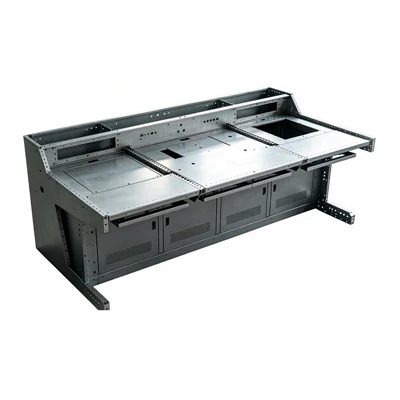
If you are in need of special-shaped sheet metal parts for explosion-proof applications, we would be delighted to discuss your requirements and provide you with a customized solution. Our products include Equipment Sheet Metal Housings, Bent Sheet Metal Parts, Machine Tool Sheet Metal Housings, Construction Machinery Sheet Metal Parts, and Stamped Sheet Metal Parts. Contact us today to start a procurement discussion and find the best solution for your needs.
References
- National Fire Protection Association (NFPA). NFPA 70: National Electrical Code.
- International Electrotechnical Commission (IEC). IEC 60079: Explosive atmospheres.
- American Society of Mechanical Engineers (ASME). ASME Boiler and Pressure Vessel Code.