
What are the corrosion - resistance grades of stamped sheet metal parts?
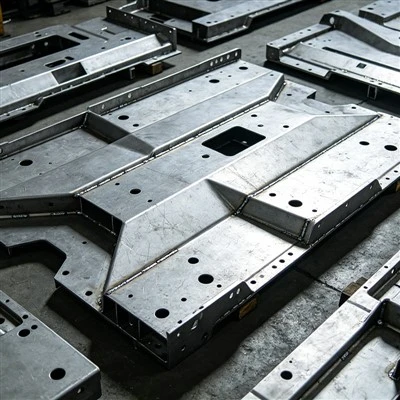
As a trusted supplier of Stamped Sheet Metal Parts, I understand the critical role that corrosion resistance plays in the performance and longevity of these components. In various industries, from automotive to construction, the ability of stamped sheet metal parts to withstand corrosion can significantly impact their functionality and overall cost - effectiveness. In this blog, we will delve into the different corrosion - resistance grades of stamped sheet metal parts, exploring what they mean and how they are determined.
Understanding Corrosion in Stamped Sheet Metal Parts
Corrosion is a natural process that occurs when metal reacts with its environment. In the case of stamped sheet metal parts, factors such as moisture, oxygen, and chemicals in the air or surrounding substances can initiate corrosion. This can lead to issues like rusting, pitting, and structural weakening. For example, in outdoor applications, stamped sheet metal parts are constantly exposed to rain, humidity, and pollutants, which accelerate the corrosion process. In industrial settings, chemicals and high - temperature environments can also pose a significant threat.
Corrosion - Resistance Grades
Grade 1: Low Corrosion Resistance
Parts with low corrosion - resistance grades are typically made from basic metals like mild steel without any significant protective coatings. These parts are suitable for short - term or indoor applications where exposure to corrosive elements is minimal. For instance, in some simple indoor machinery, where the environment is dry and clean, low - grade stamped sheet metal parts can be used. However, they will start to show signs of corrosion relatively quickly if exposed to moisture or other corrosive agents. The cost of these parts is usually lower, making them an attractive option for applications where corrosion is not a major concern.
Grade 2: Moderate Corrosion Resistance
This grade of stamped sheet metal parts is often made from metals with some inherent corrosion - resistant properties, such as galvanized steel. Galvanization involves coating the steel with a layer of zinc, which acts as a sacrificial anode, protecting the steel from corrosion. These parts can withstand moderate exposure to moisture and some environmental pollutants. For example, they are commonly used in agricultural equipment, where they may be exposed to rain and soil but not to highly corrosive chemicals. Moderate - grade parts offer a good balance between cost and performance.
Grade 3: High Corrosion Resistance
High - corrosion - resistance stamped sheet metal parts are made from materials like stainless steel or are coated with advanced protective layers. Stainless steel contains chromium, which forms a passive oxide layer on the surface, preventing further corrosion. These parts can resist harsh environments, including saltwater, high - humidity areas, and chemical - rich atmospheres. They are widely used in marine applications, food processing equipment, and chemical plants. Although the initial cost of high - grade parts is higher, their long - term durability can result in significant cost savings due to reduced maintenance and replacement requirements.
Grade 4: Extreme Corrosion Resistance
For the most demanding applications, extreme - corrosion - resistance stamped sheet metal parts are used. These parts may be made from specialized alloys or have multi - layer protective coatings. They are designed to withstand the harshest conditions, such as in offshore oil rigs, nuclear power plants, and aerospace applications. The manufacturing process for these parts is complex and expensive, but they offer unparalleled protection against corrosion, ensuring the safety and reliability of critical equipment.
Determining Corrosion - Resistance Grades
Several factors are considered when determining the corrosion - resistance grade of stamped sheet metal parts:
Material Selection
The choice of base material is crucial. Different metals have different inherent corrosion - resistant properties. For example, aluminum has a natural oxide layer that provides some protection against corrosion, while copper and its alloys also exhibit good corrosion resistance in certain environments.
Surface Treatment
Surface treatments can significantly enhance the corrosion resistance of stamped sheet metal parts. Common treatments include painting, powder coating, plating, and anodizing. Each treatment has its own advantages and is suitable for different applications. For instance, powder coating provides a durable and aesthetically pleasing finish, while anodizing is often used for aluminum parts to improve their corrosion resistance and surface hardness.


Environmental Exposure
The intended environment of use is a key factor. Parts that will be used in a coastal area will require a higher corrosion - resistance grade than those used in an indoor office setting. The analysis of environmental factors such as humidity, temperature, pH level, and the presence of specific chemicals is essential in determining the appropriate grade.
Applications of Different Corrosion - Resistance Grades
Precision Sheet Metal Parts
Precision Sheet Metal Parts often require high - grade corrosion resistance, especially in applications in the electronics and medical industries. In these fields, even a small amount of corrosion can lead to malfunctions or contamination. High - precision parts made from stainless steel or with advanced coatings are commonly used to ensure long - term reliability.
Equipment Sheet Metal Housings
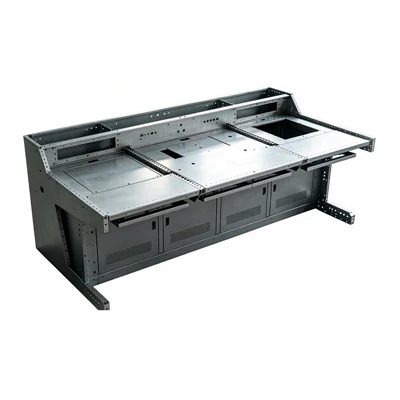
Equipment Sheet Metal Housings can vary in their corrosion - resistance requirements depending on their location. Outdoor equipment housings need to be more corrosion - resistant to protect the internal components from the elements. Moderate to high - grade parts are often used, depending on the severity of the environment.
Machine Tool Sheet Metal Housings
Machine Tool Sheet Metal Housings are typically used in industrial settings. While they may not be exposed to extreme environmental conditions in all cases, they still need to resist the corrosion caused by coolants, lubricants, and dust. A moderate corrosion - resistance grade is usually sufficient, but in more corrosive industrial environments, higher - grade materials may be required.
Construction Machinery Sheet Metal Parts
Construction Machinery Sheet Metal Parts are exposed to a wide range of conditions, including dirt, moisture, and sometimes chemicals. They need to have good corrosion resistance to ensure the longevity of the machinery. Moderate to high - grade stamped sheet metal parts are commonly used in this industry.
Conclusion and Call to Action
Understanding the corrosion - resistance grades of stamped sheet metal parts is essential for selecting the right components for your specific application. Whether you need low - cost, short - term solutions or high - performance, long - lasting parts, our company can provide you with the best - suited stamped sheet metal parts. We have a wide range of products with different corrosion - resistance grades, all manufactured to the highest quality standards.
If you are in the market for stamped sheet metal parts and want to discuss your requirements, we invite you to contact us for a detailed consultation. Our team of experts is ready to help you make the right choice and ensure that your projects are successful.
References
- Gulbrandsen, K.E. (2018). Corrosion of Metals. Wiley - VCH.
- Uhlig, H.H., & Revie, R.W. (2019). Corrosion and Corrosion Control: An Introduction to Corrosion Science and Engineering. Wiley.
- Jones, D.A. (2016). Principles and Prevention of Corrosion. Routledge.