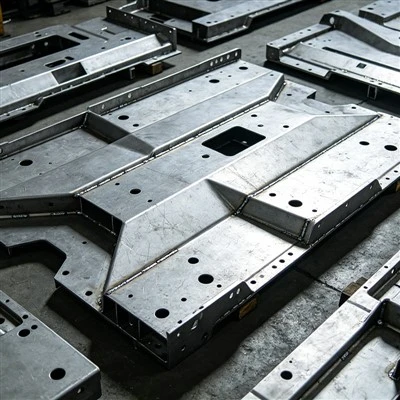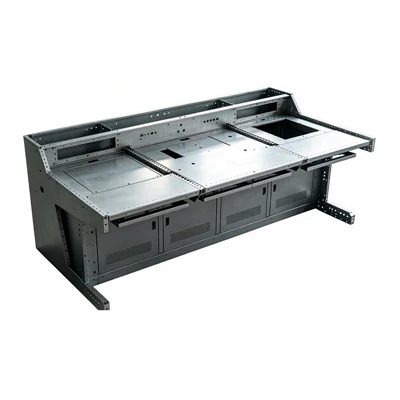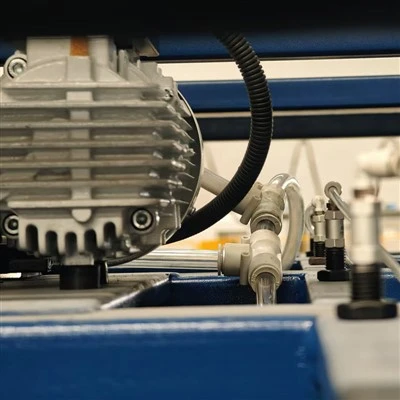

As a supplier of Precision Sheet Metal Parts, I'm often asked about the bending processes involved in creating these high - quality components. Bending is a crucial step in the manufacturing of sheet metal parts, and understanding the various techniques can help in achieving the desired precision and quality.
1. V - Bending
V - bending is one of the most common bending processes for precision sheet metal parts. In this process, a punch presses the sheet metal into a V - shaped die. The angle of the V - die determines the bend angle of the sheet metal. The advantage of V - bending is its simplicity and wide range of applicability. It can be used to create bends with different angles, from acute to obtuse.
For example, when manufacturing Precision Sheet Metal Parts, V - bending can be used to form the edges of the parts, creating a neat and precise finish. The process is relatively straightforward, and with the right tooling and equipment, it can achieve high levels of accuracy. However, the choice of die and punch is crucial. The die width should be appropriate for the thickness of the sheet metal. If the die is too narrow, it may cause the sheet metal to crack, while a too - wide die may result in an imprecise bend.


2. Air Bending
Air bending is another popular bending method. Unlike V - bending, where the sheet metal is fully pressed into the die, in air bending, the punch only presses the sheet metal partway into the die. The bend angle is determined by the depth of the punch stroke and the properties of the sheet metal.
This process offers more flexibility as it can be used to create a wide range of bend angles with a single die. It is also less likely to cause surface damage to the sheet metal compared to other methods. When producing Mechanical Sheet Metal Parts, air bending can be used to create complex shapes and contours. However, it requires a good understanding of the material's spring - back properties. Spring - back is the tendency of the sheet metal to return to its original shape after the bending force is removed. To compensate for spring - back, the punch may need to over - bend the sheet metal slightly.
3. Bottoming
Bottoming is a bending process where the punch presses the sheet metal all the way to the bottom of the die. This results in a very precise bend angle, as the bend is determined by the shape of the die. The advantage of bottoming is its high accuracy and repeatability. It is often used when a specific bend angle is required with minimal tolerance.
For Equipment Sheet Metal Housings, bottoming can be used to ensure that the corners of the housing are at the exact right angle, providing a proper fit for the equipment inside. However, bottoming requires more force than air bending, and it may cause more wear and tear on the tooling. Additionally, it is less forgiving of variations in the sheet metal thickness compared to air bending.
4. Coining
Coining is a high - force bending process that creates a very precise and sharp bend. In coining, the punch and die are designed to compress the sheet metal at the bend, forming a precise angle. This process is often used for applications where a high - quality finish and exact bend angles are required.
When manufacturing Equipment Dustproof Sheet Metal Guards, coining can be used to create clean and sharp edges, which are important for preventing dust from entering the equipment. However, coining requires specialized tooling and a significant amount of force, which can increase the cost of production. It is also more likely to cause surface damage to the sheet metal if not done correctly.
5. Rotary Bending
Rotary bending is a process that uses a rotating die to bend the sheet metal. This method is suitable for creating long, continuous bends or circular shapes. The advantage of rotary bending is its ability to produce smooth and uniform bends.
For Bent Sheet Metal Parts that require curved or circular features, rotary bending can be a great option. It allows for a high degree of control over the bend radius and can be used with a variety of sheet metal materials. However, the equipment for rotary bending is more complex and expensive compared to other bending methods, and it may require more setup time.
Factors Affecting Bending Processes
Several factors need to be considered when choosing a bending process for precision sheet metal parts. First, the material of the sheet metal plays a crucial role. Different materials have different properties, such as hardness, ductility, and spring - back characteristics. For example, aluminum is more ductile than steel, which means it can be bent more easily without cracking.
The thickness of the sheet metal is another important factor. Thicker sheet metals require more force to bend and may be more difficult to achieve precise bends. The design of the part also affects the bending process. Complex shapes and multiple bends may require a combination of different bending techniques.
Quality Control in Bending Processes
Quality control is essential in the bending of precision sheet metal parts. To ensure the accuracy of the bends, various measurement tools can be used, such as angle gauges and calipers. Regular inspections should be carried out throughout the bending process to detect any deviations from the specifications.
In addition, the surface finish of the bent parts should be checked for any signs of damage, such as scratches or cracks. A good surface finish is not only important for the appearance of the parts but also for their functionality. For example, a smooth surface can reduce friction and improve the performance of mechanical components.
Conclusion
Choosing the right bending process for precision sheet metal parts is crucial for achieving high - quality results. Each bending process has its own advantages and disadvantages, and the choice depends on factors such as the material, thickness, and design of the part. As a supplier of precision sheet metal parts, we have the expertise and experience to select the most appropriate bending process for each project.
If you are in the market for high - quality Precision Sheet Metal Parts, we invite you to contact us for a detailed discussion about your requirements. Our team of experts is ready to work with you to provide the best solutions for your sheet metal needs. Whether it's Mechanical Sheet Metal Parts, Equipment Sheet Metal Housings, Equipment Dustproof Sheet Metal Guards, or Bent Sheet Metal Parts, we can offer you precision and reliability.
References
- ASM Handbook, Volume 14B: Metalworking: Sheet Forming. ASM International.
- Die Design Handbook. Society of Manufacturing Engineers.