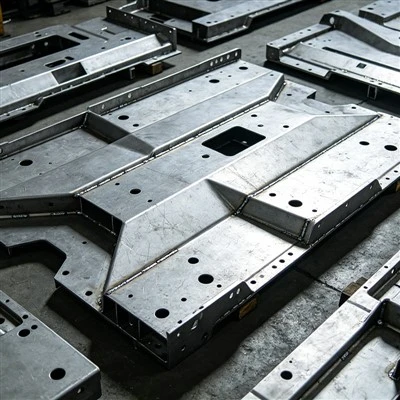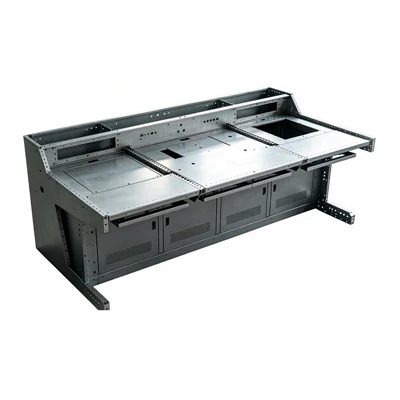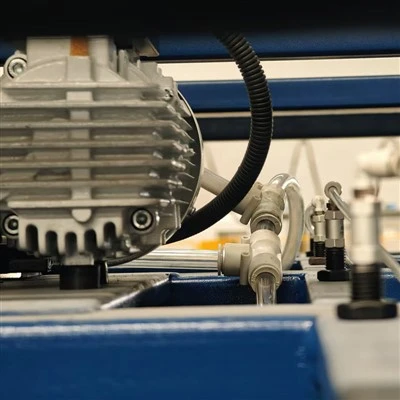

In the modern industrial landscape, energy efficiency has become a critical concern for businesses across various sectors. As a leading supplier of Sheet Metal Equipment Frames, we understand the importance of creating frames that not only meet the structural requirements but also contribute to energy conservation. In this blog, we will explore several strategies to make a sheet metal equipment frame more energy - efficient.
Material Selection
The choice of materials is the first and most fundamental step in creating an energy - efficient sheet metal equipment frame. High - strength, lightweight materials can significantly reduce the overall weight of the frame. For instance, aluminum alloys are an excellent choice. They have a high strength - to - weight ratio, which means that less energy is required to move or support the equipment. Compared to traditional steel, aluminum frames can reduce the weight by up to 50% in some cases.
Moreover, materials with good thermal insulation properties can also enhance energy efficiency. Insulated sheet metals can prevent heat transfer, which is especially important for equipment that operates in temperature - controlled environments. For example, if the equipment is used in a cold storage facility, a frame made of insulated sheet metal can reduce the energy consumption of the cooling system by minimizing heat gain from the outside.
When selecting materials, it is also essential to consider their recyclability. Sustainable materials not only reduce the environmental impact but can also be more cost - effective in the long run. Recycling sheet metal requires less energy compared to producing new metal from raw materials. As a supplier, we offer a wide range of materials, including Machine Tool Sheet Metal Housings, Stamped Sheet Metal Parts, Bent Sheet Metal Parts, Construction Machinery Sheet Metal Parts, and Mechanical Sheet Metal Parts, which are carefully selected for their energy - efficient properties.
Design Optimization
The design of the sheet metal equipment frame plays a crucial role in energy efficiency. A well - designed frame can reduce the energy consumption of the equipment by improving its structural integrity and functionality.
One of the key design principles is to minimize the surface area of the frame. A smaller surface area means less heat transfer, which can save energy, especially in applications where temperature control is important. For example, by using a more compact design, we can reduce the amount of heat that is lost or gained through the frame.
Another important aspect of design is the use of modular components. Modular frames are easier to assemble and disassemble, which can reduce the energy required for installation and maintenance. Additionally, modular designs allow for easier replacement of parts, which can extend the lifespan of the equipment and reduce the need for new manufacturing, thus saving energy.


We also recommend incorporating aerodynamic design elements into the frame. For equipment that moves or has moving parts, an aerodynamic frame can reduce drag, which in turn reduces the energy required to operate the equipment. For example, in the case of machinery used in transportation or high - speed applications, a well - designed aerodynamic frame can significantly improve energy efficiency.
Manufacturing Processes
The manufacturing processes used to create the sheet metal equipment frame can also have a significant impact on energy efficiency. Precision manufacturing techniques can reduce waste and improve the quality of the frame. For example, laser cutting is a highly precise method that can minimize material waste. Compared to traditional cutting methods, laser cutting can reduce the amount of scrap material by up to 30%.
Heat treatment processes should also be optimized to reduce energy consumption. For instance, using induction heating instead of conventional furnace heating can be more energy - efficient. Induction heating is a targeted process that heats only the necessary parts of the metal, which reduces the overall energy consumption.
As a supplier, we are committed to using energy - efficient manufacturing processes. We continuously invest in research and development to improve our manufacturing techniques and reduce our energy footprint. Our manufacturing facilities are equipped with state - of - the - art machinery that is designed to minimize energy consumption while maintaining high - quality production.
Energy - Saving Features
In addition to material selection, design optimization, and manufacturing processes, incorporating energy - saving features into the sheet metal equipment frame can further enhance its energy efficiency.
One such feature is the use of energy - efficient lighting. If the equipment frame has an enclosed area, such as a control panel or a housing, using LED lights can significantly reduce energy consumption. LED lights are more energy - efficient than traditional incandescent or fluorescent lights and have a longer lifespan.
Another energy - saving feature is the installation of sensors. Sensors can detect when the equipment is in use or idle and adjust the energy consumption accordingly. For example, a motion sensor can turn off the lights or reduce the power consumption of the equipment when no one is present in the vicinity.
We also offer frames with built - in insulation and ventilation systems. Insulation can prevent heat transfer, while ventilation systems can help maintain a stable temperature inside the equipment. By controlling the temperature, the equipment can operate more efficiently, reducing the energy required for cooling or heating.
Maintenance and Monitoring
Proper maintenance and monitoring are essential for ensuring the long - term energy efficiency of the sheet metal equipment frame. Regular maintenance can prevent issues such as leaks, corrosion, and mechanical failures, which can increase energy consumption.
For example, checking the seals and gaskets of the frame regularly can prevent air leaks, which can lead to heat loss or gain. Similarly, lubricating the moving parts of the equipment can reduce friction, which in turn reduces the energy required to operate the equipment.
Monitoring the energy consumption of the equipment is also important. By using energy - monitoring devices, businesses can track the energy usage of the equipment and identify areas where improvements can be made. For example, if the energy consumption of the equipment suddenly increases, it may indicate a problem that needs to be addressed.
As a supplier, we provide maintenance guidelines and support to our customers. We also offer energy - monitoring solutions that can help our customers optimize the energy efficiency of their equipment frames.
Conclusion
Making a sheet metal equipment frame more energy - efficient is a multi - faceted process that involves material selection, design optimization, manufacturing processes, energy - saving features, and maintenance and monitoring. As a supplier of Sheet Metal Equipment Frames, we are dedicated to helping our customers achieve energy efficiency in their equipment.
We offer a wide range of products, including Machine Tool Sheet Metal Housings, Stamped Sheet Metal Parts, Bent Sheet Metal Parts, Construction Machinery Sheet Metal Parts, and Mechanical Sheet Metal Parts, which are designed with energy efficiency in mind.
If you are interested in purchasing energy - efficient sheet metal equipment frames or have any questions about our products, we encourage you to contact us for a procurement discussion. Our team of experts is ready to assist you in finding the best solutions for your specific needs.
References
- Smith, J. (2018). Energy - efficient Design in Sheet Metal Manufacturing. Industrial Engineering Journal, 25(3), 123 - 135.
- Brown, A. (2019). Sustainable Materials for Sheet Metal Equipment Frames. Materials Science Review, 32(2), 201 - 215.
- Green, C. (2020). Energy - saving Features in Industrial Equipment Frames. Energy Management Journal, 45(4), 345 - 358.