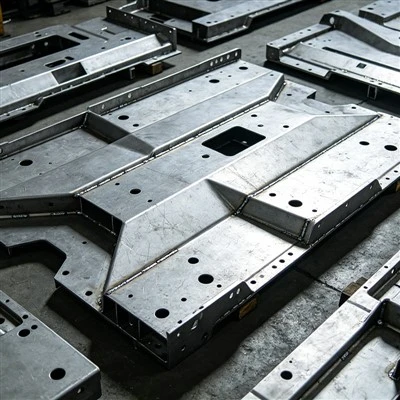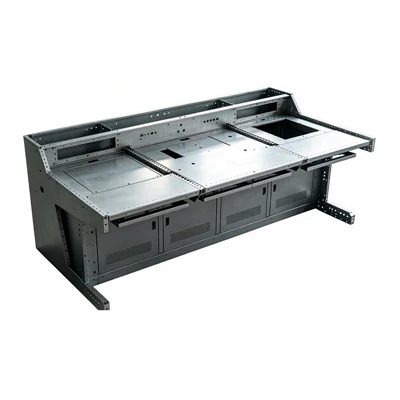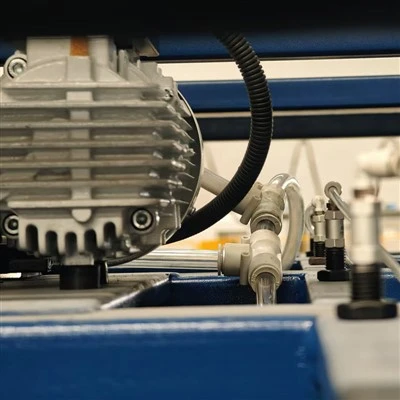

Enhancing the vibration resistance of an Industrial Automation Cabinet is a critical concern for many industries. As a leading supplier of Industrial Automation Cabinet, we understand the challenges faced by our customers in ensuring the stability and reliability of their automation systems in vibrating environments. In this blog post, we will explore various strategies and techniques that can be employed to improve the vibration resistance of industrial automation cabinets.


Understanding the Impact of Vibration on Industrial Automation Cabinets
Vibration can have a significant impact on the performance and longevity of industrial automation cabinets. It can cause components within the cabinet to loosen, leading to electrical connections becoming unstable. Over time, this can result in intermittent operation, system failures, and increased maintenance costs. Additionally, excessive vibration can damage sensitive electronic components, such as circuit boards and sensors, reducing their accuracy and reliability.
Design Considerations for Vibration Resistance
The design of an industrial automation cabinet plays a crucial role in its ability to withstand vibration. Here are some key design considerations:
- Material Selection: Choosing the right materials is essential for enhancing vibration resistance. High - strength steel or aluminum alloys are commonly used due to their excellent mechanical properties. These materials can absorb and dissipate vibration energy effectively. For example, steel has a high modulus of elasticity, which allows it to resist deformation under vibration.
- Cabinet Structure: A well - designed cabinet structure can distribute vibration forces evenly. Using a rigid frame construction with proper bracing and reinforcement can prevent localized stress concentrations. For instance, adding diagonal braces to the cabinet frame can increase its overall stiffness and reduce the risk of structural failure due to vibration.
- Mounting Systems: The way the cabinet is mounted can significantly affect its vibration resistance. Anti - vibration mounts, such as rubber or spring mounts, can be used to isolate the cabinet from the vibrating surface. These mounts absorb and dampen the vibration energy, preventing it from being transferred to the cabinet and its internal components.
Component Installation and Securing
Proper installation and securing of components within the cabinet are vital for vibration resistance:
- Component Mounting: Components should be securely mounted using appropriate fasteners. For example, using lock - washers or thread - locking compounds can prevent screws and bolts from loosening due to vibration. Additionally, components should be mounted in a way that minimizes their exposure to direct vibration forces. For instance, sensitive electronic components can be mounted on shock - absorbing pads.
- Cable Management: Loose cables can act as antennas for vibration, transmitting energy and causing damage to components. Proper cable management, such as using cable ties and routing cables along designated paths, can reduce the risk of cable damage and interference. It also helps to keep the internal layout of the cabinet organized, making it easier to access and maintain components.
Testing and Validation
Before deploying an industrial automation cabinet in a vibrating environment, it is essential to test and validate its vibration resistance:
- Vibration Testing: Conducting vibration tests using specialized equipment can simulate real - world vibration conditions. This allows us to identify potential weaknesses in the cabinet design and make necessary improvements. For example, we can test the cabinet at different vibration frequencies and amplitudes to ensure its performance under various operating conditions.
- Quality Assurance: Implementing a rigorous quality assurance process ensures that each cabinet meets the required vibration resistance standards. This includes inspecting the materials used, the quality of construction, and the performance of components and mounting systems.
Additional Accessories for Vibration Resistance
There are several accessories that can be used to enhance the vibration resistance of industrial automation cabinets:
- Sheet Metal Accessories for Cabinets: These accessories, such as vibration - dampening gaskets and brackets, can be used to further isolate and protect components within the cabinet. Gaskets can be placed between the cabinet door and the frame to reduce vibration transmission and provide a better seal.
- Isolation Pads: Placing isolation pads under the cabinet can help to reduce the transfer of vibration from the floor or mounting surface. These pads are typically made of rubber or other elastic materials that can absorb and dissipate vibration energy.
Case Studies
Let's look at some real - world examples of how our customers have improved the vibration resistance of their industrial automation cabinets:
- A manufacturing plant was experiencing frequent system failures in their automation cabinets due to the high - vibration environment of their production line. After consulting with our team, we recommended using anti - vibration mounts and additional bracing in the cabinet design. We also provided vibration - dampening gaskets for the cabinet doors. After implementing these changes, the number of system failures was significantly reduced, resulting in increased productivity and reduced maintenance costs.
- An automotive assembly plant was looking to upgrade their PLC control cabinets to improve their vibration resistance. We supplied them with PLC Control Cabinet Enclosure that were specifically designed for high - vibration environments. The cabinets were made of high - strength steel and featured anti - vibration mounts and a rigid frame construction. The plant reported a noticeable improvement in the reliability of their automation systems.
Conclusion
Enhancing the vibration resistance of an industrial automation cabinet requires a comprehensive approach that includes design considerations, proper component installation, testing, and the use of appropriate accessories. As a supplier of industrial automation cabinets, we are committed to providing our customers with high - quality products that can withstand the challenges of vibrating environments.
If you are looking to improve the vibration resistance of your industrial automation cabinets or are in need of a reliable cabinet supplier, we encourage you to contact us for a consultation. Our team of experts can help you select the right solutions based on your specific requirements. Whether you need an Irregular Metal Enclosure for a unique application or an EV Charger Outdoor Enclosure that can withstand vibration and environmental factors, we have the expertise and products to meet your needs.
References
- "Mechanical Design Handbook for Industrial Automation", John Wiley & Sons
- "Vibration Analysis and Control in Industrial Systems", CRC Press
- Industry whitepapers on industrial automation cabinet design and vibration resistance