
How to choose the right lubricant for precision sheet metal parts processing
As a seasoned supplier of Precision Sheet Metal Parts, I understand firsthand the critical role that lubricants play in the manufacturing process. The choice of lubricant can significantly impact the quality, efficiency, and cost-effectiveness of precision sheet metal parts processing. In this blog post, I'll share my insights on how to select the right lubricant for your specific needs.
Understanding the Role of Lubricants in Precision Sheet Metal Processing
Lubricants serve multiple purposes in precision sheet metal processing. Firstly, they reduce friction between the tool and the sheet metal, which is crucial for minimizing wear and tear on the tools. This not only extends the lifespan of the cutting, stamping, or bending tools but also ensures consistent quality in the finished parts. Secondly, lubricants help to dissipate heat generated during the process. Excessive heat can cause the metal to deform, affect the surface finish, and even lead to premature tool failure. By cooling the work area, lubricants maintain the integrity of the metal and the tools. Additionally, lubricants can prevent the adhesion of metal particles to the tools, which can otherwise cause scratches and burrs on the sheet metal surface.
Factors to Consider When Choosing a Lubricant
- Type of Metal: Different metals have different properties, such as hardness, ductility, and chemical reactivity. For example, aluminum is a relatively soft metal that can be prone to galling, while stainless steel is harder and more resistant to corrosion but may require a more powerful lubricant to cut through. Understanding the specific characteristics of the metal you are working with is essential for selecting the appropriate lubricant.
- Processing Method: The type of processing method, such as stamping, cutting, bending, or deep drawing, also influences the choice of lubricant. Each process creates different levels of friction and heat, and requires a lubricant with specific viscosity, lubricity, and cooling properties. For instance, stamping operations typically require a lubricant that can provide high-pressure lubrication to prevent tool wear, while cutting processes may need a lubricant with good cooling and chip evacuation capabilities.
- Surface Finish Requirements: If you need to achieve a high-quality surface finish on the sheet metal parts, the lubricant you choose should be able to prevent surface defects such as scratches, stains, and oxidation. Some lubricants are specifically formulated to leave a clean, residue-free surface, which is ideal for applications where appearance is important.
- Environmental and Health Considerations: In today's manufacturing environment, it's important to choose lubricants that are environmentally friendly and safe for workers. Look for lubricants that are biodegradable, non-toxic, and have low volatile organic compound (VOC) emissions. Additionally, consider the ease of cleaning and disposal of the lubricant after the processing is complete.
Types of Lubricants for Precision Sheet Metal Processing
- Mineral Oil-Based Lubricants: Mineral oil-based lubricants are widely used in precision sheet metal processing due to their excellent lubricity and affordability. They are suitable for a variety of metals and processing methods, and can provide good protection against wear and corrosion. However, they may have some limitations in terms of their environmental impact and may require additional cleaning steps to remove residues.
- Synthetic Lubricants: Synthetic lubricants offer superior performance compared to mineral oil-based lubricants. They have better thermal stability, higher lubricity, and can withstand extreme pressures and temperatures. Synthetic lubricants are also more resistant to oxidation and degradation, which means they can last longer and provide consistent performance over time. However, they are generally more expensive than mineral oil-based lubricants.
- Water-Based Lubricants: Water-based lubricants are becoming increasingly popular in precision sheet metal processing due to their environmental friendliness and ease of cleaning. They are non-toxic, biodegradable, and have low VOC emissions. Water-based lubricants can provide good cooling and lubrication, but may have lower lubricity compared to oil-based lubricants. They are also more prone to evaporation and microbial growth, so proper storage and maintenance are required.
Evaluating Lubricant Performance
Before committing to a particular lubricant, it's important to evaluate its performance through testing. Conducting small-scale trials on a sample of your sheet metal parts can help you determine how the lubricant performs under your specific processing conditions. Look for the following factors when evaluating lubricant performance:
- Tool Wear: Observe the rate of wear on the cutting, stamping, or bending tools. A good lubricant should minimize tool wear and extend the tool life.
- Surface Finish: Examine the surface of the processed sheet metal parts for scratches, burrs, or other surface defects. The lubricant should help to achieve a smooth, clean surface finish.
- Chip Evacuation: Check how well the lubricant helps to remove the metal chips generated during the processing. Efficient chip evacuation is important to prevent chip buildup, which can affect the quality of the parts and the performance of the tools.
- Cooling Effect: Measure the temperature of the work area during the processing. A lubricant with good cooling properties should help to maintain a stable temperature and prevent overheating.
Case Studies: Real-World Examples of Lubricant Selection
Let's take a look at some real-world examples of how choosing the right lubricant can make a difference in precision sheet metal processing.
Case Study 1: Stamped Sheet Metal Parts
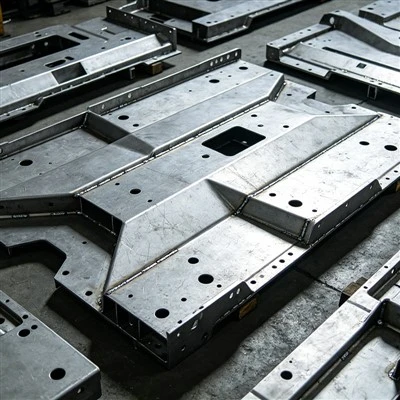
Stamped Sheet Metal Parts require a lubricant that can provide high-pressure lubrication to prevent tool wear and ensure consistent quality. A manufacturer of automotive stamped parts was experiencing frequent tool breakage and poor surface finish on their parts. After switching to a synthetic lubricant specifically formulated for stamping operations, they saw a significant improvement in tool life and an enhancement in the surface quality of the stamped parts.
Case Study 2: Sheet Metal Equipment Frames
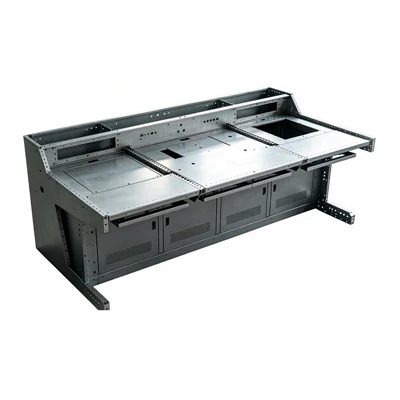
Sheet Metal Equipment Frames often involve a combination of cutting, bending, and welding processes. A company that produces sheet metal equipment frames was using a mineral oil-based lubricant, but they were facing issues with residue buildup and difficult cleaning. By switching to a water-based lubricant with good cleaning properties, they were able to reduce the cleaning time and improve the overall efficiency of the production process.
Case Study 3: Equipment Dustproof Sheet Metal Guards
Equipment Dustproof Sheet Metal Guards need to have a clean, smooth surface to effectively prevent dust ingress. A manufacturer of these guards was using a lubricant that left a sticky residue on the parts, which attracted dust. After switching to a lubricant that left a residue-free surface, they were able to improve the dustproof performance of the guards and enhance the customer satisfaction.
Case Study 4: Construction Machinery Sheet Metal Parts
Construction Machinery Sheet Metal Parts are often made from thick and hard metals, which require a powerful lubricant to process. A construction machinery parts manufacturer was using an inadequate lubricant that resulted in excessive tool wear and slow processing speeds. After upgrading to a high-performance synthetic lubricant, they were able to increase the processing speed and reduce the tool replacement costs.


Case Study 5: Machine Tool Sheet Metal Housings
Machine Tool Sheet Metal Housings need to have a high-quality surface finish to protect the internal components of the machine tools. A machine tool manufacturer was using a lubricant that caused surface stains on the housings. By switching to a lubricant that was specifically designed for achieving a clean surface finish, they were able to improve the appearance and quality of the machine tool housings.
Conclusion
Choosing the right lubricant for precision sheet metal parts processing is a critical decision that can have a significant impact on the quality, efficiency, and cost of your manufacturing process. By considering factors such as the type of metal, processing method, surface finish requirements, and environmental and health considerations, you can select a lubricant that meets your specific needs. Conducting performance testing and learning from real-world case studies can further help you make an informed decision.
If you are involved in the production of precision sheet metal parts and are looking for guidance on lubricant selection or need high-quality sheet metal parts, feel free to reach out to us. We are here to assist you in optimizing your manufacturing process and achieving the best results.
References
- Smith, J. (2020). Lubrication in Metalworking: Principles and Practice. Industrial Press.
- Jones, A. (2019). The Impact of Lubricants on Precision Sheet Metal Processing. Journal of Manufacturing Technology.
- Brown, R. (2018). Choosing the Right Lubricant for Your Metalworking Operations. Metalworking Magazine.