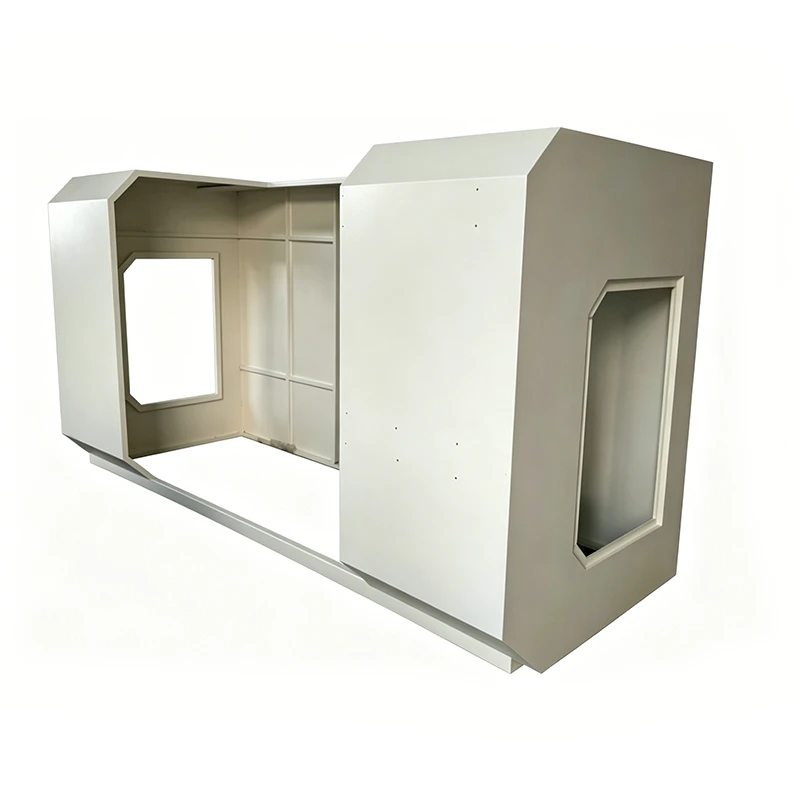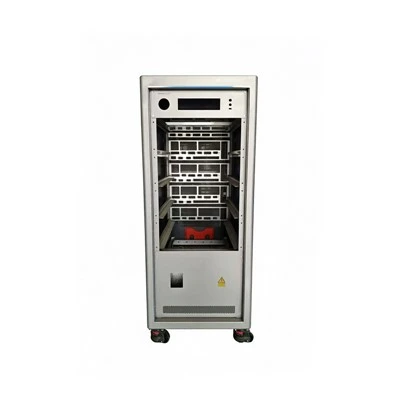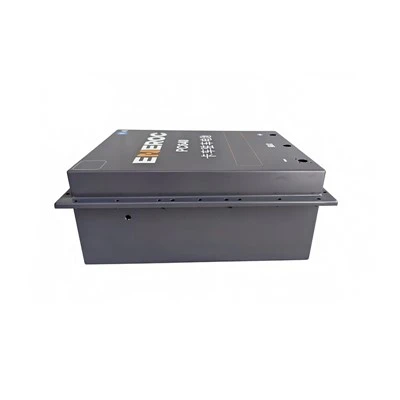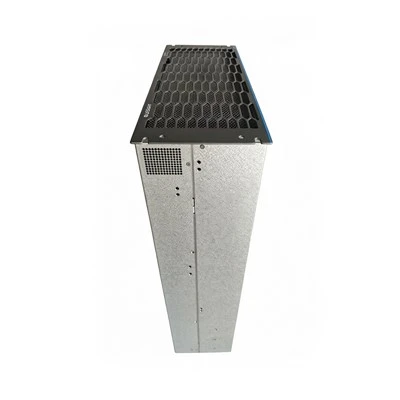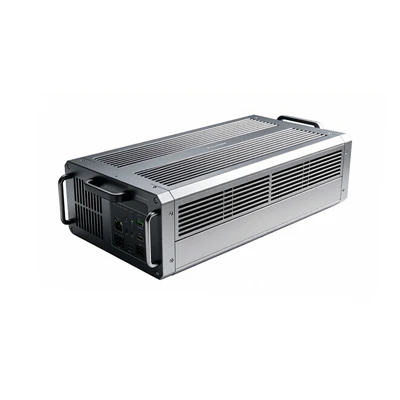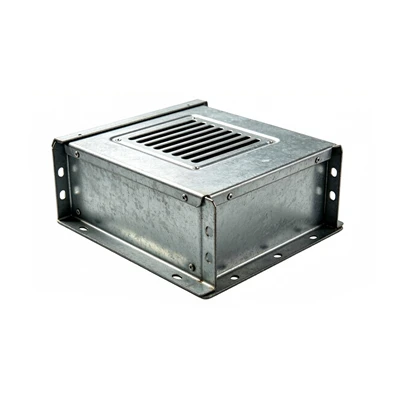
As the external protective layer of equipment, the casing's protective measures are crucial, directly affecting the equipment's safety, stability, and lifespan.
Dust and Water Protection: The equipment casing should have good sealing properties to prevent dust and moisture from entering the equipment, causing short circuits or component damage. This is usually achieved through the use of waterproof rings, sealants, and other sealing materials. For example, equipment used outdoors needs an IP65 or higher protection rating to ensure normal operation under harsh weather conditions. Dust and water protection measures not only protect the internal components but also extend the equipment's lifespan.
Corrosion Protection: For equipment used in corrosive environments, the casing should be made of corrosion-resistant materials, such as stainless steel or aluminum alloy, or coated with an anti-corrosion coating, such as paint or electroplating. These measures effectively prevent chemical corrosion of the casing, maintaining the equipment's appearance and performance stability.
Shock and Vibration Resistance: The equipment casing should have a certain level of shock and vibration resistance to protect internal components from external impacts or vibrations. This is typically achieved through the use of high-strength materials, reinforced structural design, or the addition of cushioning materials. For example, equipment used in industrial settings must have enclosures capable of withstanding a certain level of mechanical impact to ensure normal operation even during vibration or collisions.
Electromagnetic Shielding: For equipment requiring protection against electromagnetic interference, the enclosure should possess excellent electromagnetic shielding performance. This can be achieved by using conductive materials, adding shielding layers, or optimizing structural design. Electromagnetic shielding effectively reduces the impact of external electromagnetic fields on the internal circuitry of the equipment, improving its stability and reliability.
Heat Dissipation Design: Equipment generates heat during operation. If the enclosure fails to dissipate heat effectively, the internal temperature of the equipment will rise, affecting the performance and lifespan of components. Therefore, the equipment enclosure should have a good heat dissipation design, such as using heat sinks, fans, or liquid cooling to reduce the internal temperature.
Theft and Vandalism Prevention: For equipment requiring protection against theft or vandalism, the enclosure should possess certain anti-theft and anti-vandalism features. This can be achieved by using robust materials, adding locks, or alarm devices. For example, equipment used in public places must have enclosures capable of withstanding a certain amount of external force to ensure equipment safety.
Labeling and Warnings: Clear labels and warnings should be displayed on the equipment casing, such as the equipment name, model number, production date, and safety warnings. This information helps users use the equipment correctly and avoid misoperation or ignoring potential hazards.