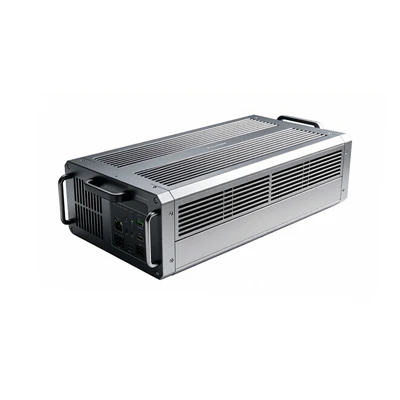
Consumer Electronics and Information Technology: Covers smartphones, laptops, external hard drives, and smart home devices. Enclosures need to balance lightweight design, aesthetics, and heat dissipation. Materials are often aluminum alloys, magnesium alloys, or engineering plastics (such as ABS and PC), and integrate smart modules such as NFC.
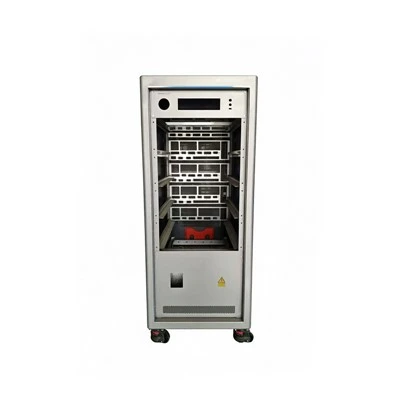
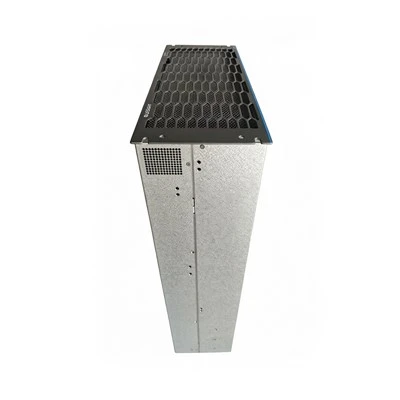
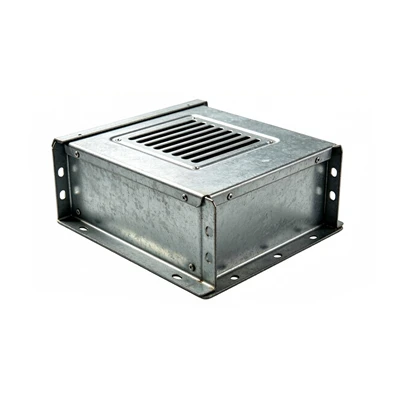
Industrial Control and Electrical Equipment: Includes power distribution cabinets, industrial control chassis, transformers, and automated robot housings. Emphasis is placed on meeting IP protection ratings (dustproof and waterproof) and IK impact resistance ratings. Metal sheet metal enclosures are widely used to ensure the stable operation of internal precision instruments in harsh environments.
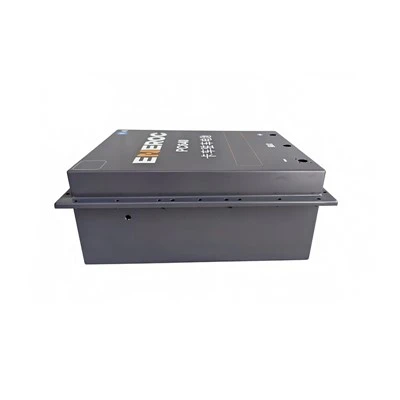
New Energy Vehicles and Transportation: Core applications include power battery pack housings, motor controllers, and vehicle sensors. Requirements include high rigidity, flame retardancy, excellent thermal management, and lightweight properties. Carbon fiber composites are significantly used in this field to reduce vehicle weight.
Medical Devices and Healthcare: Involves CT/MRI imaging equipment, in vitro diagnostic instruments, surgical robots, and wearable devices. The enclosure must meet biocompatibility, antibacterial, and corrosion-resistant standards, and comply with stringent electromagnetic compatibility (EMC) requirements to ensure medical safety.
In the automotive industry, electronic control units in the engine compartment typically require IP67 or even IP69K ratings, while outdoor surveillance cameras generally require IP66 or higher protection ratings. Household appliances have varying IP rating requirements depending on the usage scenario; for example, kitchen appliances may only require an IPX4 rating to withstand occasional splashes, while bathroom appliances may require a higher waterproof rating.
Recommended protection ratings for electronic devices in different usage scenarios are as follows: IP53 for dry environments such as offices and bedrooms; IP64 for slightly humid environments such as rainy days; IP67 for outdoor environments such as mountain climbing and heavy rain; and IP68 for outdoor underwater environments such as diving and surfing. Recommended protection levels for lighting fixtures in different usage scenarios are as follows: IP20 for general indoor spaces (daily living areas); at least IP40 for kitchens, bathrooms (areas not exposed to water); IP54 for semi-shaded spaces such as terraces and outdoor corridors (high temperature and high humidity environments); and IP68 for open, unshaded spaces such as gardens and courtyards (high temperature, high humidity, corrosive gases, etc.).