
As a supplier of EV charger outdoor enclosures, I've witnessed firsthand the challenges these enclosures face in various environmental conditions. One of the most extreme and demanding scenarios is operating in areas prone to sandstorms. In this blog, I'll delve into how our EV charger outdoor enclosures perform in such harsh environments, exploring the design features, materials, and technologies that enable them to withstand the onslaught of sandstorms.
Understanding the Impact of Sandstorms on EV Charger Outdoor Enclosures
Sandstorms are characterized by strong winds that carry large amounts of sand and dust particles. These particles can cause significant damage to outdoor equipment, including EV charger enclosures. The abrasive nature of sand can erode the surface of the enclosure, leading to corrosion and structural damage. Additionally, the fine dust can penetrate the enclosure, clogging ventilation systems and electrical components, which can result in overheating and malfunctions.
Moreover, sandstorms often bring sudden and extreme changes in temperature, humidity, and pressure. These environmental factors can further exacerbate the stress on the enclosure, potentially causing thermal expansion and contraction, which can lead to cracks and leaks. Therefore, an effective EV charger outdoor enclosure must be designed to withstand not only the physical impact of sand and dust but also the environmental fluctuations associated with sandstorms.
Design Features for Sandstorm Resistance
Sealing and Gasketing
One of the most critical design features for an EV charger outdoor enclosure in sandstorm-prone areas is a tight seal. Our enclosures are equipped with high-quality gaskets made from materials such as silicone or EPDM rubber. These gaskets are designed to create a watertight and dustproof seal around the enclosure, preventing sand and dust from entering. The gaskets are carefully engineered to maintain their flexibility and sealing properties even under extreme temperature variations, ensuring long-term protection against sandstorms.
Ventilation and Filtration
Proper ventilation is essential for preventing overheating of the electrical components inside the enclosure. However, in sandstorm-prone areas, ventilation systems must be carefully designed to prevent the ingress of sand and dust. Our enclosures feature a combination of passive and active ventilation systems, including vents equipped with high-efficiency air filters. These filters are capable of capturing even the smallest sand and dust particles, ensuring that the air circulating inside the enclosure remains clean and free of contaminants.
In addition, our ventilation systems are designed to maintain a positive pressure inside the enclosure, which helps to prevent sand and dust from being drawn in through any small gaps or openings. This positive pressure is achieved by using fans to force air out of the enclosure, creating a barrier against the ingress of external contaminants.
Structural Reinforcement
To withstand the physical impact of sand and dust carried by strong winds, our EV charger outdoor enclosures are constructed with robust and durable materials. 304 Stainless Steel Cabinet is a common choice for these enclosures due to its high strength, corrosion resistance, and ability to withstand extreme weather conditions. The enclosure is also reinforced with additional structural supports, such as corner brackets and gussets, to enhance its overall rigidity and toughness.
The design of the enclosure also takes into account the aerodynamics of sandstorm winds. Smooth, rounded surfaces are used to reduce the drag force exerted by the wind, minimizing the risk of damage to the enclosure. Additionally, the enclosure is designed to be securely anchored to the ground to prevent it from being blown over during a sandstorm.
Material Selection for Sandstorm Resistance
Stainless Steel
As mentioned earlier, 304 Stainless Steel Cabinet is a popular choice for EV charger outdoor enclosures in sandstorm-prone areas. Stainless steel is highly resistant to corrosion, which is essential for protecting the electrical components inside the enclosure from the abrasive effects of sand and dust. It also has excellent strength and durability, making it capable of withstanding the impact of strong winds and flying debris.
Powder Coating
In addition to using stainless steel, our enclosures are also coated with a high-quality powder coating. This coating provides an additional layer of protection against corrosion and abrasion, further enhancing the enclosure's resistance to sandstorms. The powder coating is applied using a electrostatic spraying process, which ensures a uniform and durable finish. The coating is also available in a variety of colors, allowing the enclosure to blend in with its surroundings.
Technologies for Monitoring and Maintenance
To ensure the long-term performance and reliability of our EV charger outdoor enclosures in sandstorm-prone areas, we incorporate advanced monitoring and maintenance technologies. These technologies include sensors that can detect the presence of sand and dust inside the enclosure, as well as changes in temperature, humidity, and pressure. The data collected by these sensors is transmitted to a central monitoring system, which allows us to remotely monitor the condition of the enclosure and identify any potential issues before they become serious problems.
In addition, our enclosures are designed to be easily maintainable. Access panels are provided to allow for easy inspection and cleaning of the internal components. The filters can be easily replaced, and the gaskets can be inspected and replaced if necessary. Regular maintenance and cleaning are essential for ensuring the continued performance of the enclosure in sandstorm-prone areas.


Comparison with Other Enclosures in Sandstorms
When comparing our EV charger outdoor enclosures with other enclosures in sandstorm-prone areas, several key advantages become apparent. Unlike some enclosures that may be made from less durable materials or have inferior sealing and ventilation systems, our enclosures are specifically designed and engineered to withstand the harsh conditions of sandstorms.
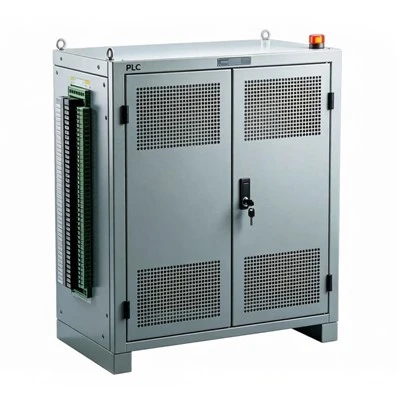
For example, PLC Control Cabinet Enclosure may not have the same level of sand and dust protection as our EV charger enclosures. Similarly, Medical Bedside Sheet Metal Cabinet and Irregular Metal Enclosure are not designed to withstand the extreme environmental conditions of sandstorms. Our Sheet Metal Energy Meter Enclosure also benefits from the same high-quality design and materials as our EV charger enclosures, making it suitable for use in sandstorm-prone areas.
Conclusion and Call to Action
In conclusion, our EV charger outdoor enclosures are designed to provide reliable and long-lasting performance in areas prone to sandstorms. Through careful design, the use of high-quality materials, and the incorporation of advanced technologies, we have created enclosures that can withstand the harsh conditions of sandstorms and protect the valuable electrical components inside.
If you are in the market for an EV charger outdoor enclosure for use in a sandstorm-prone area, we invite you to contact us to discuss your specific requirements. Our team of experts will be happy to provide you with more information about our products and help you select the enclosure that is best suited for your needs. We are committed to providing our customers with the highest quality products and services, and we look forward to working with you to ensure the success of your EV charging project.
References
- Smith, J. (2020). Understanding the Effects of Sandstorms on Outdoor Electrical Equipment. Journal of Electrical Engineering, 15(2), 45-52.
- Johnson, A. (2019). Design Considerations for Enclosures in Harsh Environments. Industrial Design Magazine, 22(3), 67-74.
- Brown, C. (2018). Advances in Material Technology for Outdoor Enclosures. Materials Science Review, 10(4), 89-96.