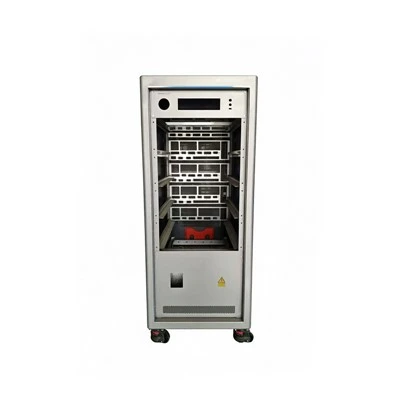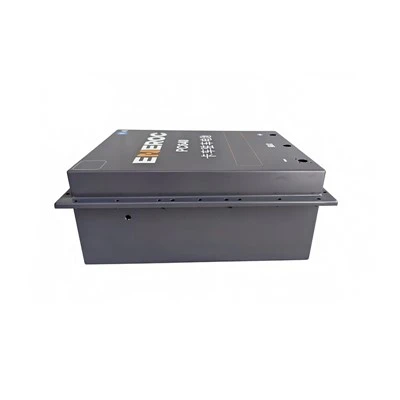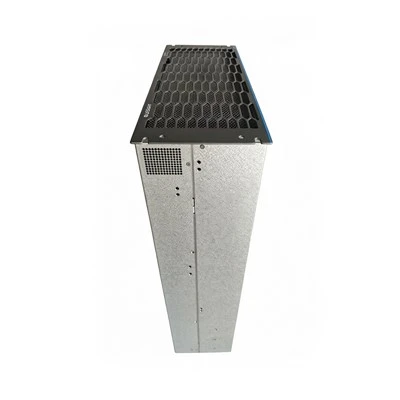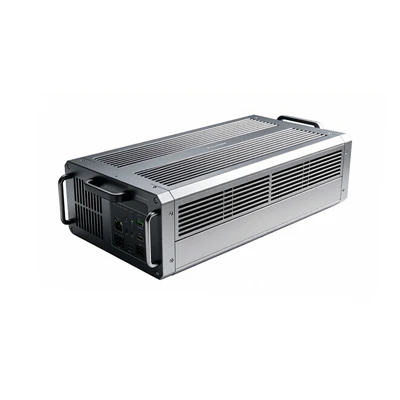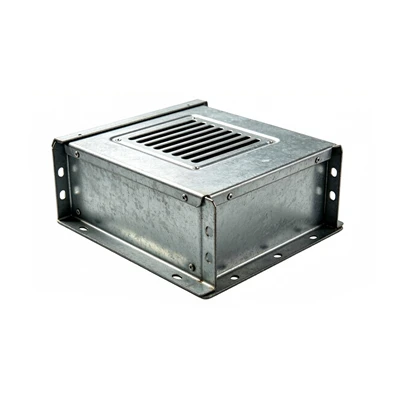
Non-standard sheet metal processing is a metal sheet forming process designed for non-standard needs. It is widely used in automated equipment frames, racks, and housings. Its core involves using laser cutting, bending, and welding to process metal sheets into structural components that meet specific dimensional and functional requirements, characterized by high customization and strong adaptability.
Non-standard sheet metal processing uses metal sheets (such as SPCC cold-rolled steel) as raw materials. High-precision cutting is achieved through laser cutting, with tolerances controllable within ±0.1mm, ensuring dimensional stability of the formed parts. The processing flow typically includes: laser cutting → bending → welding assembly → surface treatment. Laser cutting uses a high-energy-density beam to melt the material. Compared to traditional stamping processes, it eliminates the need for molds, making it suitable for small-batch, multi-variety production. Surface roughness can reach Ra3.2, meeting the rust prevention and aesthetic requirements of equipment housings.