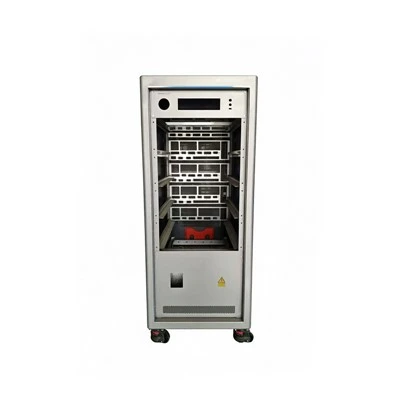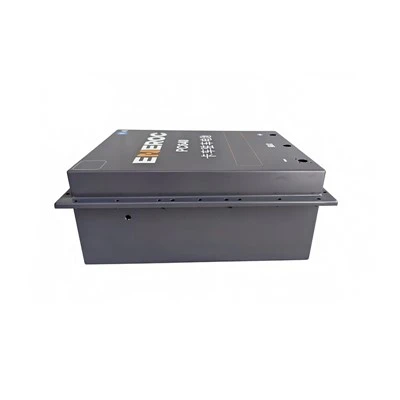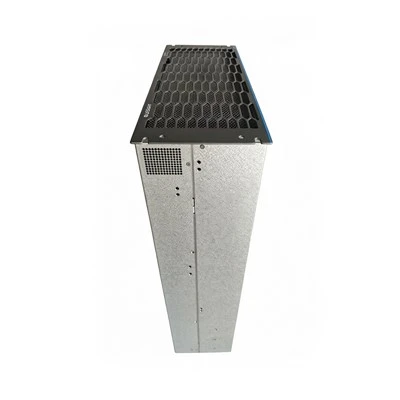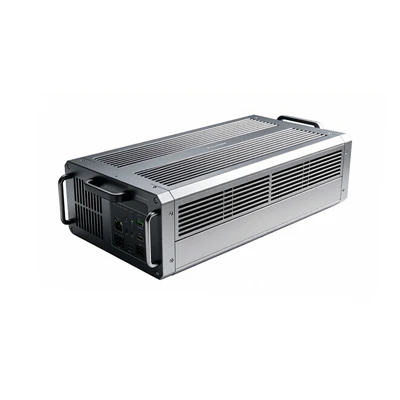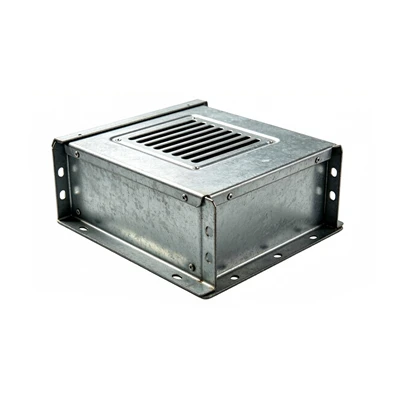
Sheet metal fabrication, simply put, involves cutting, bending, and welding metal sheets to create parts of various shapes and specifications. It is widely used in equipment housings, chassis and cabinets, shelves, railings, doors and windows, and other fields.
1: Drawing Confirmation
After receiving the customer's drawings, first confirm the material, thickness, dimensions, and surface treatment requirements. Stainless steel sheet metal commonly uses 304 and 316L, while carbon steel sheet metal uses Q235. Thicknesses range from 0.5mm to over tenmm.
2: Laser Cutting or Waterjet Cutting
The sheet metal is cut according to the shape in the drawings. Laser cutting is efficient, precise, and produces smooth cuts; waterjet cutting does not cause thermal deformation and is suitable for thick plates and special materials.
3: Bending and Forming
The cut sheet metal is bent according to the angles and dimensions in the drawings. Bending requires selecting appropriate dies and parameters based on the material and thickness. The bending parameters for 304 stainless steel and carbon steel are completely different and cannot be used interchangeably.
4: Welding and Assembly
Multiple parts need to be welded into a whole. Sheet metal welding commonly uses argon arc welding and gas shielded welding. Argon arc welding produces aesthetically pleasing welds and is suitable for thin plates; gas shielded welding is highly efficient and suitable for medium and thick plates.
5: Surface Treatment
Grinding, wire drawing, polishing, pickling and passivation, or spraying are performed as needed. Outdoor sheet metal parts are typically hot-dip galvanized or painted for rust prevention and durability.
6: Quality Inspection
Check if dimensions are within tolerances, if welds are strong, and if surface treatment meets standards. Important parts also undergo flaw detection.