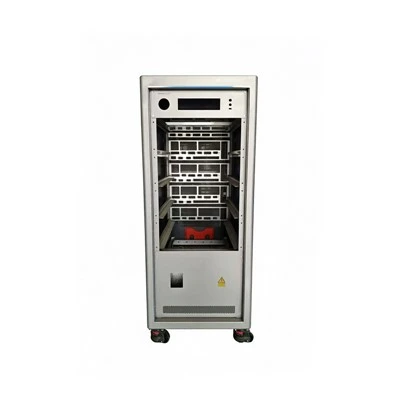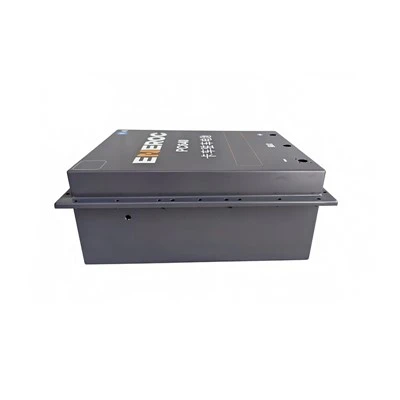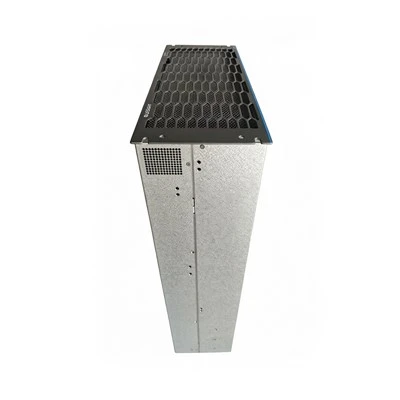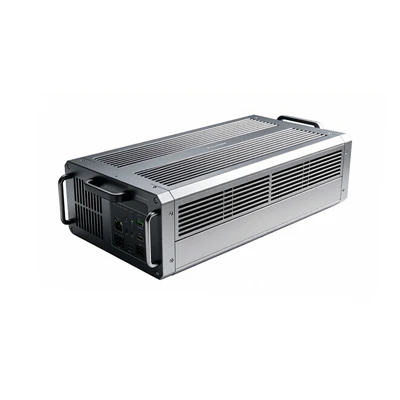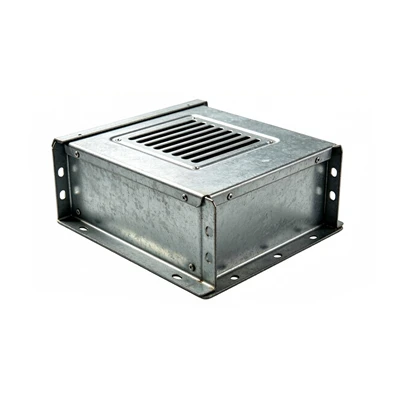
The core advantages of this process lie in its flexibility and precision. 1.2mm thick sheet metal can be formed into complex angles using a CNC bending machine, combined with welding to construct the frame structure. The processing cycle is typically 7 days, with a maximum annual capacity of 10,000 units, suitable for the rapid iteration needs of automation equipment manufacturers. The primary color is white, and surface treatment further enhances corrosion resistance. SPCC cold-rolled steel is used, combining strength and machinability to meet the stability requirements of long-term equipment operation.
Compared to traditional sheet metal processing, laser cutting technology significantly improves processing accuracy and efficiency, reducing subsequent grinding processes. The CNC bending machine enables simultaneous multi-angle forming, avoiding the accumulation of errors caused by multiple clamping operations. Surface roughness control technology results in higher flatness at welded areas, reducing vibration and noise during equipment operation. Furthermore, the 1.2mm thick sheet metal ensures strength while also meeting lightweight requirements, making it suitable for weight-sensitive mobile equipment.
Sheet thickness (t): The standard range is 0.3mm~6.0mm (industrial grade is mostly 1.0~2.0mm). The greater the thickness, the higher the processing difficulty and defect rate.
Material type: Commonly used are stainless steel (304/316), cold-rolled sheet (SPCC), galvanized sheet (SECC), aluminum (5052/6061), and copper alloys. Different materials have significantly different yield strengths and springback coefficients.
Grain direction: The rolling direction of the sheet must be considered. Bending lines parallel to the grain are prone to cracking; it is generally recommended to be perpendicular or at a certain angle.