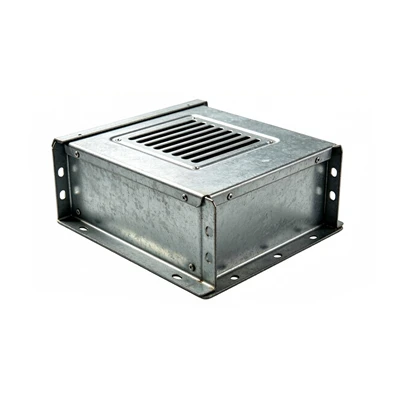
China's sheet metal processing market is enormous and exhibits a steady growth trend. The market size of China's cold-working sheet metal industry is growing at a rate exceeding 20% annually. The global sheet metal processing service market reached RMB 99.917 billion in 2023 and is projected to increase to RMB 131.643 billion by 2029, with an estimated compound annual growth rate of 4.68%.
With deepening globalization, market competition in the sheet metal processing industry is becoming increasingly fierce. Companies from different countries and regions are engaged in intense competition in terms of price, quality, and service. To remain competitive, sheet metal processing companies need to continuously improve their competitiveness. This includes not only upgrading technology and equipment but also improving management models and service levels. Companies need to optimize production processes, improve product quality, and shorten delivery cycles to meet customer needs and gain market share.
The sheet metal processing industry is undergoing technological innovation. The application of advanced technologies such as laser cutting, CNC technology, 3D printing, and robotic automation has greatly improved production efficiency and product quality. The application of these technologies has not only improved processing accuracy and speed but also broadened the application scope of sheet metal processing.
The sheet metal processing market is highly competitive, with numerous companies including those with years of experience, emerging companies, and internationally renowned firms. These companies each have their own advantages in product quality, price, delivery time, and after-sales service, leading to fierce market competition.
With increasing environmental awareness and the introduction of relevant regulations, sheet metal processing companies face growing environmental pressure. They need to take measures to reduce pollutant emissions and resource waste during production, achieving green manufacturing and sustainable development. This requires not only improvements in production processes and equipment but also optimization in material selection and waste management. Strict enforcement of environmental regulations presents both a challenge and an opportunity for companies to enhance their image and market competitiveness.
Digital transformation is a crucial direction for the future development of the sheet metal processing industry. By introducing technologies such as the Internet of Things (IoT), big data, and artificial intelligence (AI), companies can achieve intelligent management and control of the production process. This not only improves production efficiency and product quality but also enables real-time monitoring of production status, prediction of equipment maintenance needs, and reduction of downtime and production costs. Digital transformation can also enable more flexible and customized production processes, meet customers' individual needs, and bring more market opportunities to enterprises.