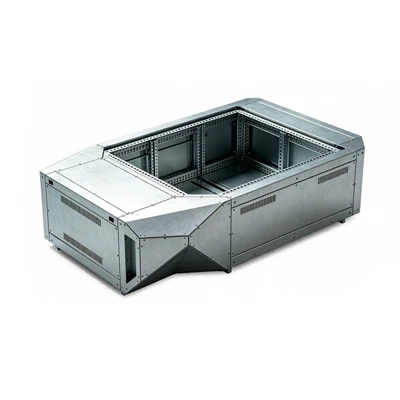

Hey there! As a supplier of Floor Standing Outdoor Cabinets, I often get asked about how to install a humidifier or dehumidifier in these cabinets. It's a super important topic because the right humidity level can really make or break the performance and lifespan of the equipment inside. So, let's dive right into it!
Why You Need a Humidifier or Dehumidifier in Your Outdoor Cabinet?
First off, you might be wondering why you even need to control the humidity in an outdoor cabinet. Well, extreme humidity levels can cause all sorts of problems. High humidity can lead to condensation, which can damage sensitive electronic components, cause corrosion, and even lead to short circuits. On the other hand, low humidity can cause static electricity, which can also harm the equipment.
Choosing the Right Humidifier or Dehumidifier
Before you start the installation process, you need to choose the right humidifier or dehumidifier for your cabinet. The size of the cabinet is a crucial factor. You don't want to get a unit that's too small, as it won't be able to effectively control the humidity. Conversely, a unit that's too large will be a waste of energy and money.
There are different types of humidifiers and dehumidifiers available in the market. For example, ultrasonic humidifiers are great for creating a fine mist, while compressor dehumidifiers are more efficient at removing large amounts of moisture. Do your research and pick the one that suits your needs the best.
Pre - installation Checks
Once you've got your humidifier or dehumidifier, it's time to do some pre - installation checks. First, make sure your cabinet is clean. Remove any dust, dirt, or debris that might have accumulated inside. This will ensure that the unit operates smoothly and doesn't get clogged.
Check the power supply of your cabinet. Make sure it can handle the power requirements of the humidifier or dehumidifier. You might need to consult an electrician if you're not sure about the power capacity.
Installation Steps for a Humidifier
If you're installing a humidifier, here's how you can do it:
- Choose the Right Location: Find a spot inside the cabinet that allows for good air circulation. Avoid placing the humidifier near any heat - generating equipment, as this can affect its performance.
- Mounting: Most humidifiers come with mounting brackets. Use these to secure the humidifier to the cabinet wall. Make sure it's sturdy and won't vibrate or fall during operation.
- Water Supply: Connect the water supply to the humidifier. This might involve using a water tank or a direct water line. Follow the manufacturer's instructions carefully.
- Wiring: Connect the power cord of the humidifier to the appropriate power outlet inside the cabinet. Double - check the connections to avoid any electrical hazards.
Installation Steps for a Dehumidifier
Installing a dehumidifier isn't too different:


- Location Selection: Similar to the humidifier, pick a location with good air circulation. You want the dehumidifier to be able to draw in the moist air easily.
- Mounting: Mount the dehumidifier on the cabinet wall using the provided brackets. Ensure it's level and stable.
- Drainage System: Set up the drainage system for the dehumidifier. This could be a drain pipe that directs the collected water outside the cabinet or a built - in water collection tank that you'll need to empty periodically.
- Wiring: Connect the power cord to the power supply inside the cabinet.
Post - installation Checks
After you've installed the humidifier or dehumidifier, it's crucial to do some post - installation checks. Turn on the unit and let it run for a while. Check for any water leaks, strange noises, or electrical issues. Also, monitor the humidity level inside the cabinet using a hygrometer. Make sure the unit is maintaining the desired humidity level.
Related Products
If you're in the market for other types of cabinets, we've got you covered. Check out our EV Charger Outdoor Enclosure, which is perfect for housing your EV charging equipment out in the open. Our Aluminum Profile Cabinet offers a lightweight yet sturdy option for various applications. For energy - related needs, the Sheet Metal Energy Meter Enclosure is a great choice. And if you need a cabinet for your home inverter, our Home Inverter Cabinet is just what you're looking for. We also have Industrial Automation Cabinet for all your industrial automation requirements.
Conclusion
Installing a humidifier or dehumidifier in a floor - standing outdoor cabinet might seem like a daunting task, but if you follow these steps, you'll be able to do it successfully. Controlling the humidity inside the cabinet can significantly improve the performance and longevity of your equipment.
If you're interested in our Floor Standing Outdoor Cabinets or any of the other products I mentioned, don't hesitate to reach out for a purchase discussion. We're here to help you find the perfect solutions for your needs.
References
- Manufacturer's manuals of humidifiers and dehumidifiers
- Electrical safety guidelines for outdoor cabinets
- Industry standards for humidity control in industrial enclosures