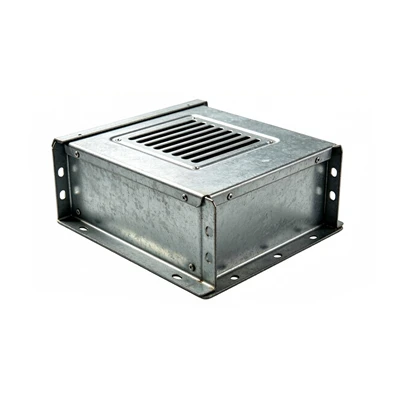
Sheet metal processing, as an indispensable part of modern industrial manufacturing, occupies a pivotal position in the manufacturing industry due to its unique technological characteristics and wide range of applications. This article will explore the characteristics of sheet metal processing from multiple dimensions, including its efficiency, precision, flexibility, plasticity, environmental protection and energy saving, and technological innovation, comprehensively analyzing the important role of sheet metal processing in modern industry.
Efficiency: Shortening Production Cycles and Increasing Capacity
Efficiency is one of the most significant characteristics of sheet metal processing. With the widespread application of CNC technology and the continuous upgrading of processing equipment, the efficiency of sheet metal processing has been greatly improved. Direct control of processing equipment through computer programs has achieved automated and precise production processes, significantly shortening the production cycle. Furthermore, sheet metal processing adopts modular and standardized production methods, making the production process more efficient and standardized. This efficiency not only reduces production costs but also enhances the market competitiveness of enterprises.
Precision: Ensuring Product Quality and Meeting High-Precision Requirements
Sheet metal processing possesses extremely high precision. Utilizing advanced CNC technology and high-precision equipment, sheet metal processing enables precise control over every step of the process, ensuring that the dimensions, shape, and surface quality of products meet design requirements. This precision gives sheet metal processing a significant advantage in manufacturing high-precision parts, making it widely used in aerospace, automotive, and machinery manufacturing industries. Particularly in the aerospace industry, sheet metal parts account for approximately 70% of all aircraft parts, and their high precision requirements directly impact flight safety and performance.
Flexibility: Adapting to Diverse Needs and Achieving Personalized Customization
Sheet metal processing offers exceptional flexibility, meeting the diverse needs of different industries and products. Sheet metal materials can be cut, bent, and stamped as needed to form parts of various shapes and sizes. Furthermore, sheet metal processing is applicable to various metal materials, such as stainless steel, aluminum alloys, and copper, allowing for the selection of appropriate materials based on specific requirements. This flexibility enables sheet metal processing to adapt to different customer customization requirements, achieving personalized production. For example, in the automotive industry, sheet metal processing can manufacture various shapes and sizes of body panels, doors, and other parts according to different vehicle models, ensuring the integrity of the car's appearance and structure.
High Plasticity: Rapid Prototyping and Complex Structure Processing
Sheet metal processing possesses high plasticity in terms of materials, product shapes, and processing methods. Through bending, cutting, stamping, and other processing methods, sheet metal materials can be rapidly formed and processed into various complex shapes and structures. This plasticity gives sheet metal processing a significant advantage in manufacturing various complex parts, and it is widely used in construction, furniture, advertising, and other fields. For example, in the construction industry, sheet metal processing can create metal components of various shapes and sizes for use in building exterior decoration, roof structures, etc., enhancing the aesthetics and functionality of buildings.