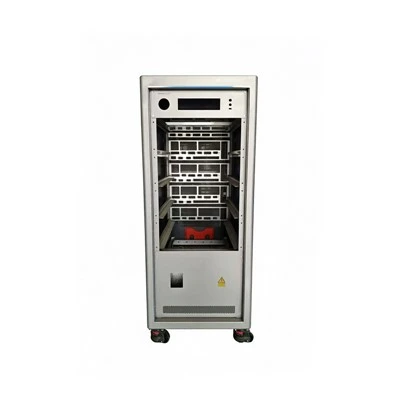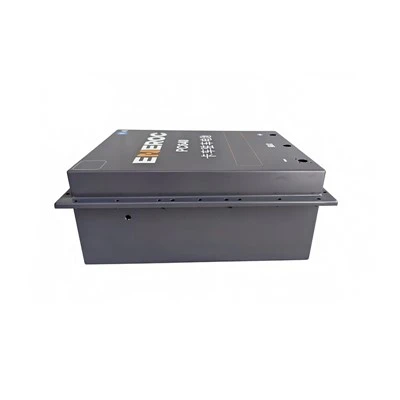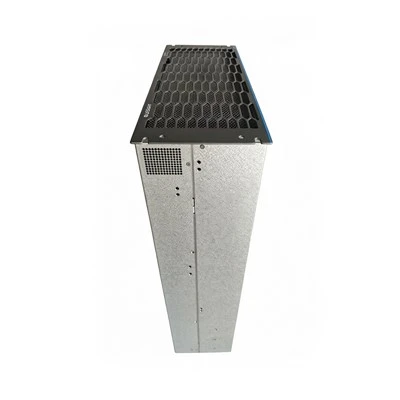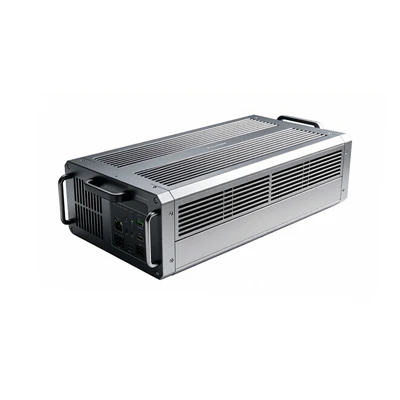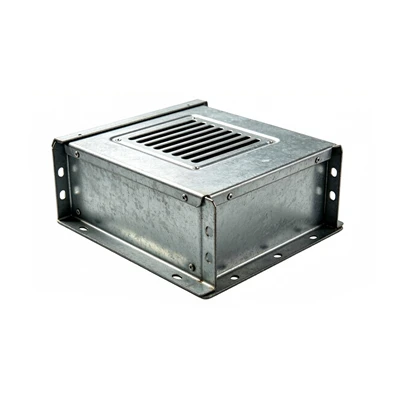
The core advantages of non-standard sheet metal processing lie in its high degree of customization and the economic efficiency of small-batch production. It can precisely match the needs of special scenarios while avoiding high mold investments.
Wide Range of Materials and Applications: Compatible with various materials such as stainless steel, aluminum alloy, and cold-rolled steel, it can flexibly balance performance requirements such as lightweighting, conductivity, and rust resistance, covering multiple fields including medical, new energy, and automation.
Reduced Costs: Through sheet metal processing, multiple components can be integrated into a single sheet metal part, thereby reducing the number and types of parts and lowering production costs.
Increased Strength: The integrated design of sheet metal parts can improve the overall strength and stability of the product, enhancing product quality.
Aesthetic Appeal: The smooth and aesthetically pleasing surface of sheet metal parts can improve the appearance quality of the product and enhance its market competitiveness.
Ultimate Customization Flexibility: There are no fixed size or shape restrictions. Complex structures (such as irregularly shaped chassis and special protective covers) can be designed according to specific functions, spatial layouts, and appearance requirements, perfectly adapting to non-standard equipment and special working conditions.